
NewsDetails
FAQ on Common Issues with Chick Brooding Watering Equipment
author:Muzan time:2026-10-15 11:29:59 Click:139
Introduction
The brooding period is the most critical stage in poultry farming, as the survival rate and health of chicks directly affect the economic efficiency of the entire farming cycle. Drinking water is an important aspect of brooding management; after hatching, chicks need to drink water promptly to replenish moisture, promote yolk absorption, and facilitate the excretion of meconium. However, many farmers often encounter various issues with drinking water equipment during the brooding period, such as chicks not knowing how to use drinkers, improper selection of drinkers, inappropriate water pressure adjustment, incorrect height, poor water quality management, and freezing in winter. If these problems are not resolved promptly, they can lead to insufficient water intake, dehydration, poor growth, and even death in chicks. This article summarizes common problems in the use of drinking water equipment during the brooding stage and provides detailed answers to help farmers manage drinking water effectively during the brooding period.
Question 1: When should chicks start drinking water after hatching?
Answer: Chicks should be given water as soon as possible after hatching. They must have access to water within 24 hours of hatching, preferably within 12 hours. Timely hydration is very important for chicks:
1. Rehydration: Chicks lose a significant amount of water during hatching and transportation, so it is essential to replenish it promptly to prevent dehydration. Dehydrated chicks exhibit lethargy, ruffled feathers, and shriveled feet, and severe dehydration can lead to death.
2. Promoting yolk absorption: Drinking water can promote the peristalsis of the gastrointestinal tract in chicks, accelerating the absorption and utilization of yolk. The yolk is rich in nutrients and serves as the primary source of nutrition for chicks in the first few days after hatching.
3. Promotes the passage of meconium: Drinking water can promote intestinal peristalsis, accelerate the excretion of meconium, and benefit intestinal health.
4. Improved Survival Rate: Studies have shown that chicks that are given water promptly after hatching have a significantly higher survival rate and grow faster than those whose water intake is delayed.
If the chicks are purchased from another location and have undergone long-distance transportation, they should be given water immediately upon arrival to replenish water and electrolytes. You can add 5%-8% glucose or multivitamin electrolytes to the drinking water to help the chicks quickly recover their strength. Start feeding 2-3 hours after they have had water; do not feed them before giving them water.
Question 2: What type of waterer should be chosen for the brooding period?
Answer: Chicks are small in size, have weak strength, and have limited drinking ability, so a waterer suitable for chicks should be selected. Common types include the following:
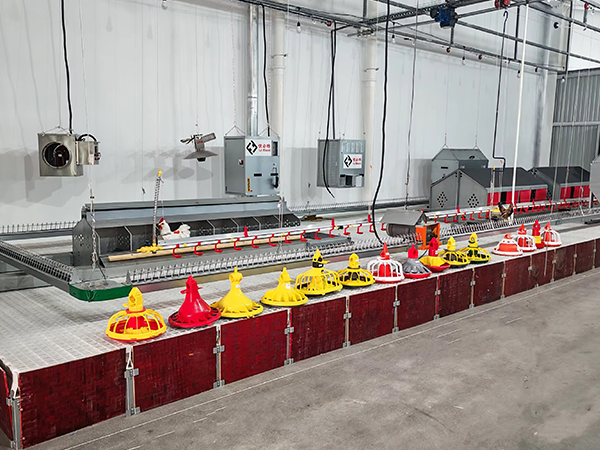
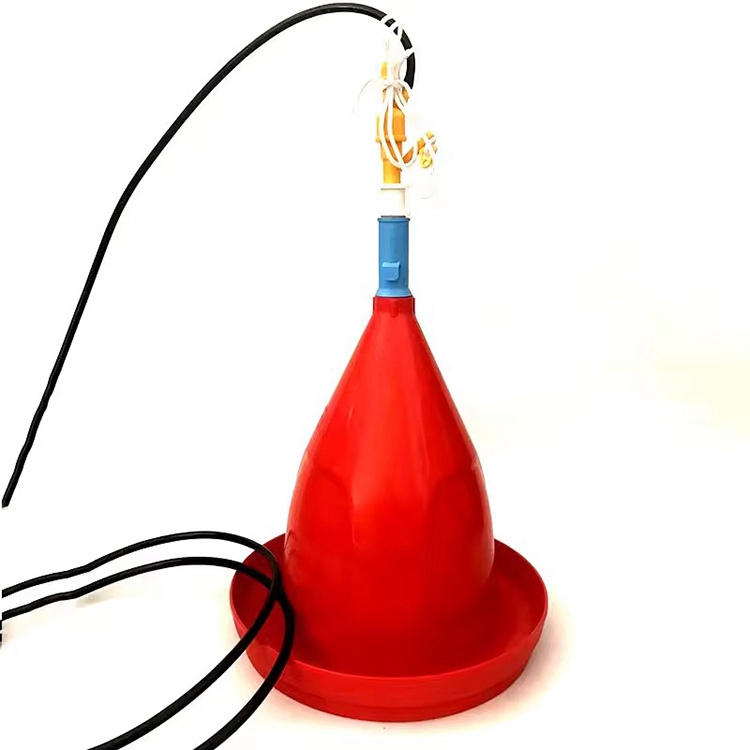
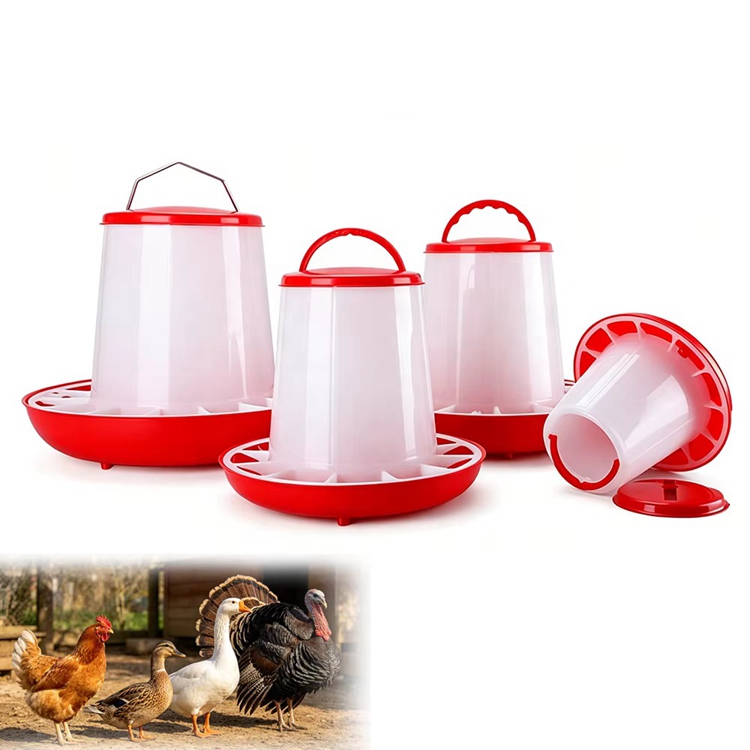
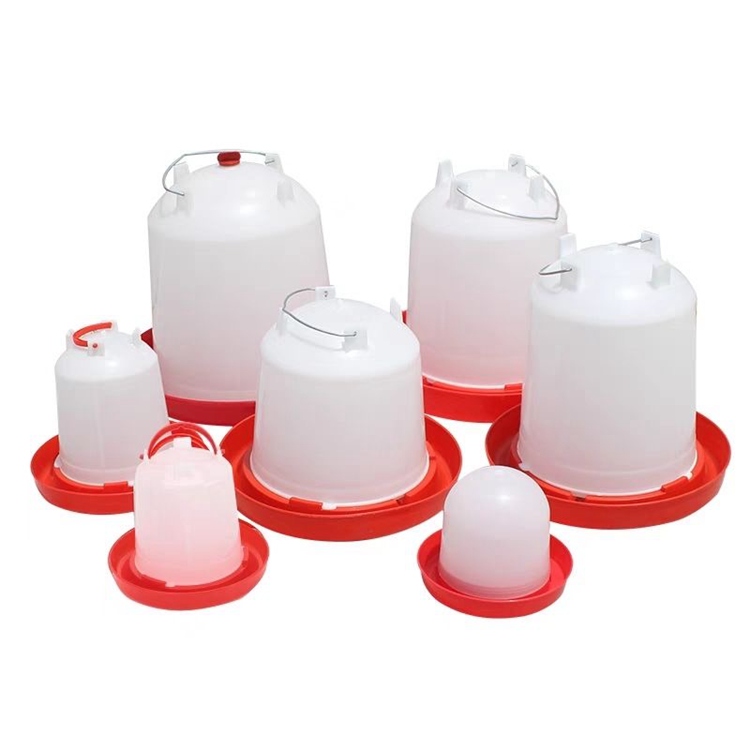
1. Tower-type vacuum waterer: Composed of a water bucket and a base, it automatically supplies water using the vacuum principle. Advantages include a simple structure, low cost, no water pressure requirement, ease of use, and the fact that chicks can easily learn to drink from it. Disadvantages include the need for manual refilling, susceptibility of the water to contamination by feces and feed, and the requirement for frequent cleaning and water replacement. It is suitable for small-scale brooding or use during the first few days of brooding.
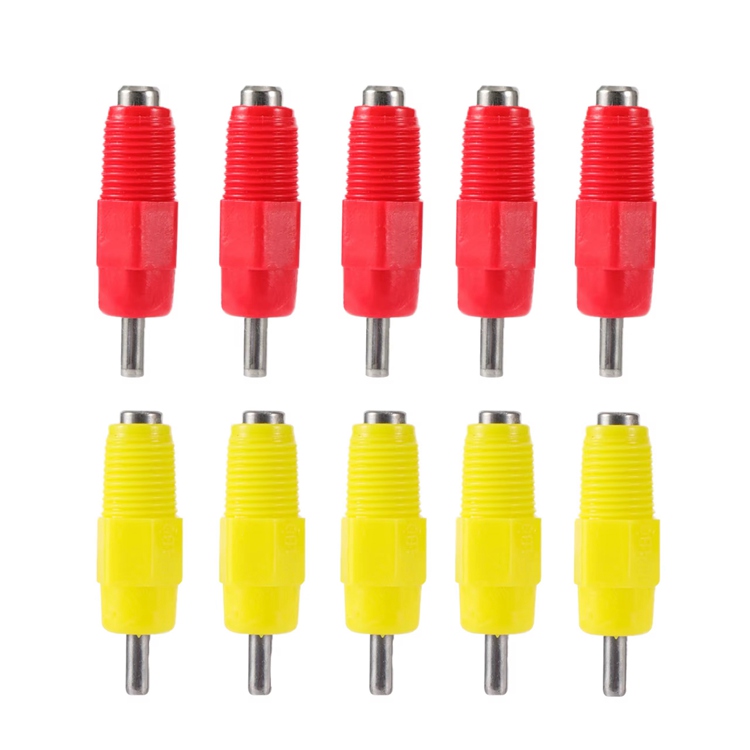
2. Chick-specific nipple drinkers: They feature a small water flow and high sensitivity, making them suitable for chicks. The advantages include water conservation, hygiene, and automatic water supply; the disadvantage is that chicks need to learn how to use them, and some may not drink water initially. They are suitable for large-scale cage or wire-mesh rearing of chicks.
3. Chick-specific waterer: Features a small opening and low water capacity to prevent chicks from drowning, with a stable water level unaffected by water pressure. Advantages include ease of learning for chicks, no risk of drowning, and relatively clean water quality; disadvantages include the need for manual refilling or connection to a low-pressure water supply, as well as regular cleaning. Suitable for use during the early brooding stage.
Selection Recommendations: Use tower-type drinkers or water bowls for the first 3 days of brooding to allow chicks to learn how to drink water; after 3 days, gradually transition to nipple drinkers, ultimately using only nipple drinkers. This ensures that water is accessible in the initial stage while allowing chicks to gradually adapt to automated equipment. For small-scale brooding, tower-type drinkers can be used throughout the process, but frequent cleaning and water replacement are required.
When selecting nipple drinkers, choose models specifically designed for chicks, which have a low water output (10–20 mL per minute) and are highly sensitive, releasing water with a light press. Do not use large-output drinkers intended for adult chickens, as chicks may lack the strength to operate them, or the excessive water flow may lead to waste and damp bedding.
Question 3: What to do if chicks do not use nipple drinkers?
Answer: Newly hatched chicks have not been exposed to nipple drinkers and may not know how to use them, which is a normal phenomenon. They can be trained using the following methods:
1. Transition Guidance: Use a tower-type drinker or water bowl for the first 3 days after hatching to allow chicks to learn drinking at a fixed location. After 3 days, gradually move the tower-type drinker toward the nipple drinker, and finally remove the tower-type drinker, leaving only the nipple drinker. Since the chicks are already accustomed to drinking at a fixed location, they will actively seek out the water source and find it easier to learn.
2. Manual Guidance: The caretaker gently presses the nipple with a finger to release a drop of water, attracting the chicks' attention. The chicks will peck at the water drop out of curiosity and gradually learn. A small amount of glucose water or brown sugar water can also be applied to the nipple to attract pecking. Guide them multiple times a day, especially when the chicks are active.
3. Adjusting Water Pressure: During the early brooding period, the water pressure should be kept low, typically at 0.005–0.01 MPa. At low water pressure, the nipple drinkers respond more sensitively, allowing chicks to release water with a light press, which makes it easier for them to learn. If the water pressure is too high, the nipples become tight, and chicks, lacking sufficient strength, may fail to press them, leading to a loss of interest.
4. Adjust the height: The nipple height should be level with or slightly below the back of the chicks to facilitate pecking. If it is too high, the chicks cannot reach it; if it is too low, the pecking angle will be incorrect. Adjust the height once a week as the chicks grow.
5. Introduce "teacher chickens": If there are slightly older chicks that already know how to use nipple drinkers, they can be introduced into the brooding group. Chicks have a tendency to learn by imitation and will follow suit when they see other chickens using the drinkers.
6. Individual Tutoring: For individual weak chicks that consistently fail to use the nipple, provide one-on-one tutoring. Place the weak chick next to the nipple and gently press the nipple with your hand to let water droplets fall onto the chick's beak, guiding it to peck and bite. If necessary, assist with manual watering to ensure the weak chick consumes sufficient water and to prevent dehydration.
Generally, after 1-2 days of training, the vast majority of chicks can learn. During the training period, strengthen observation, promptly guide those that do not drink water, and ensure that every chick can drink water.
Question 4: What should the water pressure of the chick brooder waterer be set to?
Answer: The appropriate water pressure should be adjusted according to the age of the chicks:
- 1-3 days of age: 0.005-0.01 MPa. Chicks have weak pecking force, so the water pressure should be lower to ensure water flows out with a light peck.
- 4-7 days of age: 0.01-0.015 MPa; as the chicks gradually grow, the water pressure should be appropriately increased.
- 8-14 days old: 0.015-0.02 MPa.
- 15 days of age or older: 0.02-0.03 MPa, which is basically consistent with that of adult chickens.
Adjustment Precautions:
1. Measure using a pressure gauge; do not rely on feel. The pressure gauge is installed at the water inlet end of the water line.
2. Adjust slowly, making small increments each time. Wait for stability (approximately 10-20 seconds) before taking a reading. Do not adjust excessively at once.
3. After adjustment, observe the chicks' drinking behavior on-site to check whether water flows smoothly from the nipples, whether the chicks can drink easily, and whether there is any leakage. Make fine adjustments as necessary.
4. Inspect the front, middle, and end of the water line to ensure uniform water pressure throughout. If the water pressure at the end is insufficient, check whether the water line is too long or blocked.
5. Chick water intake decreases at night, which may cause the water pressure in the pipes to rise. Monitor for any leaks. If there are significant leaks at night, appropriately reduce the water pressure or replace the pressure regulator with one that has better pressure stabilization.
Question 5: How should the height of the waterer be adjusted during the brooding period?
Answer: Height directly affects the drinking comfort and water intake of chicks, and should be adjusted promptly according to age and body size:
Nipple drinker height: Position the nipple so that chicks can easily peck at it by tilting their heads up at approximately 45 degrees.
- 1-3 days old: level with or slightly below the back, approximately 5-8 cm.
- 4-7 days old: 8-12 cm.
- 8-14 days old: 12-18 cm.
- 15-21 days old: 18-25 cm.
- From 22 days of age onwards: Continue increasing the height according to body size until it reaches the height of an adult chicken (approximately 30-40 cm).
The above is for reference only; actual adjustments should be made based on the breed and growth rate. The best criterion for judgment is to observe the drinking posture of the chicks: the height is most appropriate when they can naturally stand and easily peck at the nipple with their heads raised at a 45-degree angle.
Height of the tower-type waterer: The edge of the base should be level with the back of the chicks to facilitate drinking. If it is too low, feces and feed may be easily brought into the water; if it is too high, the chicks will not be able to reach it. Use a shallow base during the early brooding period to prevent chicks from drowning.
Water Bowl Height: The rim of the bowl should be level with the chick's chest to facilitate easy drinking. If it is too high, the chicks cannot reach it; if it is too low, they may step into the bowl or splash water.
Notes: Generally, adjust once a week. During rapid growth stages (2-4 weeks of age), adjust every 3-4 days. Adjust the entire water line uniformly to maintain a level position, avoiding uneven heights. After adjustment, observe the drinking behavior to confirm that the height is appropriate. Since growth rates vary by breed, adjust according to actual conditions.
Question 6: How to manage water quality for drinking water during the brooding period?
Answer: Chicks have weak resistance and high requirements for water quality. Poor water quality can easily lead to diarrhea and disease infections. Water quality management should be carried out in the following aspects:
1. Ensure clean water sources: Use water sources that meet the water quality standards for drinking water for livestock and poultry. Tap water is generally disinfected and has good water quality; well water should be tested for indicators such as total bacterial count, E. coli, heavy metals, and hardness. If it does not meet the standards, it should be filtered, disinfected, and softened before use.
2. Install filtration equipment: Install a two-stage filtration system: a pre-filter to remove large particles and a precision filter to remove fine impurities. Clean or replace the filter cartridges regularly to ensure effective filtration.
3. Regularly disinfect the drinking water system: Disinfect once every 1–2 weeks using a bleaching powder solution (10–20 ppm available chlorine), chlorine dioxide, or peracetic acid solution. Soak for 30 minutes to 1 hour, then rinse thoroughly with clean water. After disinfection, test the residual chlorine to ensure no residue remains.
4. Regularly clean the waterers: Clean tower waterers and water bowls daily, and replace with fresh water. Disassemble and clean nipple waterers once a week to remove internal impurities and scale. Use a soft-bristled brush for cleaning; do not scrape sealing surfaces with hard objects.
5. Rational use of water additives: During the brooding period, glucose, multivitamin electrolytes, vitamins, probiotics, etc., can be added to the drinking water to help restore physical strength and improve resistance. However, pay attention to the concentration and duration of use, and do not use the same type continuously for a long period. After adding, ensure the water is consumed within the specified time to prevent spoilage. Clean the drinking system after use to avoid bacterial growth from residues.
6. Control water temperature: Generally, 18-24°C is appropriate. In winter, water that is too cold can stimulate the intestines and cause diarrhea, so it should be preheated to room temperature; in summer, water that is too hot can accelerate bacterial growth, so it should be kept in a cool place. Do not give chicks ice water or hot water.
7. Regular water quality testing: If conditions permit, test the total bacterial count, coliform bacteria, pH, hardness, residual chlorine, etc., once a month, and address any abnormalities promptly.
Question 7: What to do if the waterer for brooding chicks freezes in winter?
Solution: In winter, low temperatures can cause waterers and pipes to freeze, preventing chicks from drinking water. The following measures should be taken:
1. Increase the house temperature: This is the fundamental measure to prevent freezing. During the early brooding period, maintain the house temperature at 33–35°C, and reduce it by 2–3°C each week thereafter. Ensure that the heating equipment operates normally and strengthen nighttime inspections. When the house temperature is maintained above 20°C, drinking water generally will not freeze.
2. Pipe insulation: Pipes exposed to the outdoors or low-temperature areas should be wrapped with insulation cotton to reduce heat loss. Insulation should also be applied to joints and valves.
3. Use a heated water dispenser: In winter, a water dispenser with a heating function can be used to maintain the water temperature at 10–20°C and prevent freezing. When in use, pay attention to electrical safety, ensure proper waterproofing and leakage protection, and use qualified products.
4. Install electric heat tracing: Install electric heat tracing tape on the water supply pipe and energize it to prevent freezing. Equip it with a thermostat that automatically heats at low temperatures and automatically cuts off power at high temperatures to save electricity.
5. Scheduled Water Supply: In the absence of heating equipment, water should be supplied during the day when temperatures are higher to encourage chicks to drink in a concentrated manner. At night, the water in the pipes and drinkers should be drained to prevent freezing. However, it is essential to ensure an adequate daily water intake by providing water multiple times during the day.
6. Change the warm water frequently: If using a tower-type water dispenser, change the warm water every 2–3 hours, and change it at night as needed. If the water freezes, bring it indoors to thaw, clean it, and then refill it with warm water.
7. Strengthen inspections: Check the water output of the waterer multiple times a day, and promptly address any freezing. Pay particular attention to inspections during the coldest periods, especially at night and in the early morning. Prepare a backup waterer and replace it promptly if freezing occurs. Repair any heating equipment malfunctions immediately.
Freezing Treatment: If freezing is detected, slowly thaw it with warm water or move it to a warm indoor area to thaw naturally. Do not pour boiling water directly on it or strike it with hard objects, as this may damage the equipment. For frozen pipes, wrap them with a hair dryer or a hot towel to thaw. After thawing, inspect the equipment for any damage and replace it promptly if necessary.
Summary
The use and management of drinking water equipment during the brooding period is a critical aspect of brooding work, directly affecting the survival rate and health level of chicks. Farmers should fully understand the characteristics and requirements of drinking water during the brooding period, select appropriate drinkers for chicks, and master the correct usage methods. Chicks should be given water as soon as possible after hatching to promptly replenish moisture and nutrients; appropriate water pressure and height should be adjusted according to age to ensure comfortable drinking for chicks; water quality management should be well done to ensure clean and hygienic drinking water, with regular cleaning and disinfection; in winter, anti-freezing and insulation measures should be taken to prevent freezing. For issues such as chicks not knowing how to use nipple drinkers, patient training and guidance should be provided to ensure that every chick can drink water. Only by managing every detail of drinking water during the brooding period can the survival rate of chicks be improved, healthy and robust chicks be raised, and a solid foundation be laid for high yield and efficiency throughout the entire farming cycle.
References
1. Poultry Branch of the China Animal Husbandry Association. China Poultry Brooding Technology Guide [R]. Beijing: China Animal Husbandry Association, 2023.
2. National Station of Animal Husbandry. Standardized Brooding Technical Specifications for Poultry [M]. Beijing: China Agriculture Press, 2022.
3. Institute of Poultry Science, Chinese Academy of Agricultural Sciences. Manual on Brooding Management of Poultry [M]. Beijing: China Agricultural Science and Technology Press, 2021.
 Recommended Products
 Contact us
—— Contact:Manager
—— Tel:+86 15031740006
—— Email:mzan91369@gmail.com
—— Url:https://www.muzanlivestock.com
—— Address:Cang County, Cangzhou City, Hebei Province, China