
NewsDetails
Design and Installation Tutorial for Water Line and Feed Line Systems in Poultry Farms
author:Muzan time:2026-10-15 11:15:16 Click:77
Introduction
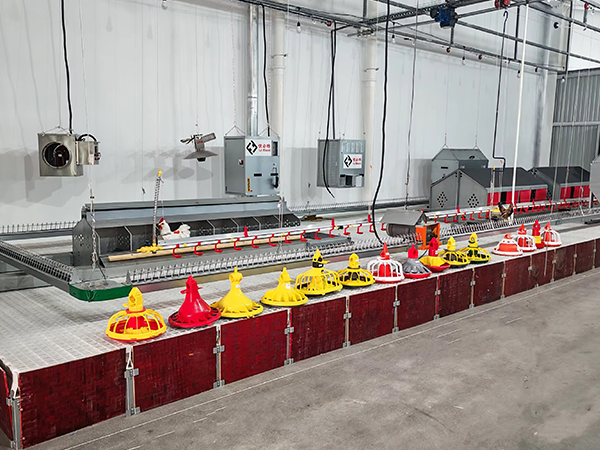
The water and feed line system in a poultry farm is a core infrastructure of modern poultry farming, responsible for providing clean drinking water and sufficient feed to poultry. A well-designed and properly installed water and feed line system can significantly improve farming efficiency, reduce labor costs, and minimize the occurrence of diseases. This article provides a detailed introduction to the design principles, installation procedures, and commissioning methods of the water and feed line system, helping farmers build a high-quality automated farming system.
I. System Design Principles
1. Water Line System Design: Determine the number and length of water lines based on the scale of farming and the length of the poultry house. Generally, one water line is installed for every 2-3 meters of cage space, with each line not exceeding 100 meters in length; if it exceeds this, segmented water supply should be used. The diameter of the main pipe is determined by the total water usage, typically 6/8 inch or 1 inch pipes. Each water line is independently equipped with a pressure regulator and valve to facilitate separate adjustment and maintenance.
2. Feed Line System Design: Select the type of feed line based on feed consumption and conveying distance. Plug-type feed lines are suitable for long-distance conveying, with distances ranging from 100 to 300 meters; screw-type feed lines are suitable for short-distance conveying, generally not exceeding 30 meters. The feed line pipe diameter is selected based on the conveying volume, with 90 mm or 110 mm being commonly used. Each feed trough corresponds to one discharge outlet, and the spacing between discharge outlets is determined by the length of the feed trough.
3. Auxiliary Equipment: The water line system must be equipped with filters, pressure regulators, pressure gauges, water pressure meters, and chemical dosing units; the feed line system must be equipped with feed towers, drive motors, reducers, level sensors, and control boxes. The specifications of the auxiliary equipment should be compatible with the main system, with a 20%-30% margin reserved.
II. Pre-Installation Preparation
Before installation, prepare all materials and equipment: pipes, waterers, feed pipes, plug plate chains, drive devices, feed towers, pressure regulators, filters, valves, pressure gauges, control boxes, wires, etc. Tools include electric drills, wrenches, pipe wrenches, hole punchers, levels, tape measures, etc. Read the product manual carefully before installation to understand the installation requirements of each component. Clean the installation site to ensure the area is level and free of obstacles.
III. Water Line System Installation Steps
1. Install the hanging brackets: Based on the design position of the water line, install the hanging brackets on the top of the poultry house or on the cage frame, with a spacing of 2–3 meters between brackets. The hanging brackets are used to suspend the water line pipes and the lifting device; they must be securely installed and capable of bearing the weight of the water line when fully filled with water.
2. Install the water line pipes: Place the water line pipes on the hanging brackets and suspend them using a lifting device or wire rope. Keep the pipes level and adjust them using a spirit level. Connect the pipe joints with dedicated fittings, apply PVC glue or use sealing rings to ensure there are no leaks.
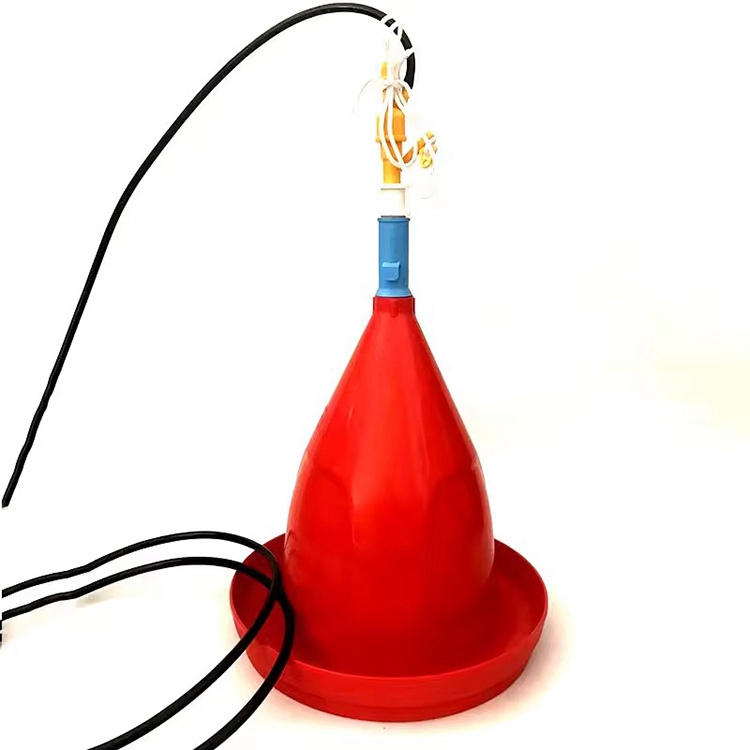
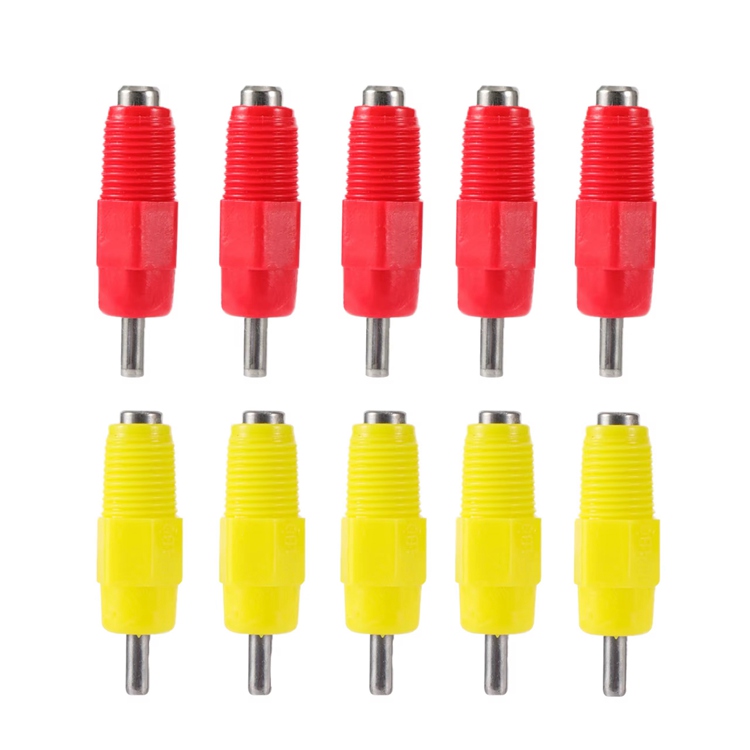
3. Install waterers: Drill holes in the pipe at the designed intervals (typically one every 30–40 cm) and install nipple waterers or water bowls. Ensure the holes are smooth and neat. Wrap the waterer fittings with PTFE tape before screwing them in, and tighten until there is no leakage. After installation, check that each waterer is securely fastened.
4. Install ancillary equipment: Install the valve, filter, pressure regulator, and pressure gauge in sequence at the water inlet end of the water line. The pressure regulator should be installed in a location that is convenient for operation and observation, and the pressure gauge should be installed at the outlet end of the pressure regulator. Install an air vent valve and a drain valve at the end of the water line to facilitate air release and cleaning.
5. Install the lifting device: Install a manual or electric lifting device as needed to facilitate adjusting the height of the water line according to the age of the poultry. The lifting device operates flexibly, lifts smoothly, and can be locked at any height.
IV. Installation Steps for the Feed Line System
1. Install the feed tower: The feed tower should be installed in a suitable location outside or inside the poultry house. The foundation must be solid and level, capable of supporting the weight of the tower when fully loaded. An outlet and valve should be installed at the bottom of the tower and connected to the feed line drive unit. A rain cover and ventilation opening should be installed at the top of the tower.
2. Laying the feed pipe: Lay the feed pipe according to the designed route, securing it with brackets at intervals of 1.5 to 2 meters. Maintain a certain slope in the feed pipe (generally 1 to 3 degrees) to facilitate the flow of feed. Connect the feed pipe joints with dedicated connectors, ensuring a good seal to prevent feed from getting damp and leaking.
3. Install the drive unit: Mount the drive motor and reducer at one end of the feed line, ensuring the drive wheel meshes with the plug plate chain. Securely fasten the motor and reducer, and install a protective cover. Install a control box next to the drive unit for easy operation and control.
4. Install the plug plate chain: Thread the plug plate chain through the feed tube, connect it into a loop, and fit it onto the drive wheel and steering wheel. Ensure the chain tension is appropriate; if it is too tight, it will wear easily, and if it is too loose, it will slip. After installation, manually rotate the drive wheel to check whether the chain runs smoothly.
5. Install the discharge port and feed trough: Install the discharge port at the bottom of the feed pipe according to the design position, aligning it with the feed trough below. The opening of the discharge port is adjustable and should be adjusted based on the feed intake of the poultry. Ensure the feed trough is securely installed at an appropriate height to facilitate feeding for the poultry.
6. Install the control and sensing system: Install level sensors to monitor the material levels in the silo and the feed line, automatically triggering an alarm or starting the feeding process when material is low. Install the control box and set the automatic feeding time and operating duration. Ensure proper wiring standards, and implement waterproofing and protective measures.
V. System Debugging
1. Water Line Commissioning: Slowly open the water inlet valve to fill the pipes and expel the air inside. Adjust the pressure regulator to bring the water pressure within the appropriate range. Check the water flow from each waterer one by one to ensure smooth flow and no leaks. Inspect all connections and valves for any leakage.
2. Feed Line Commissioning: First, start the feed line under no-load conditions to verify that the motor rotation direction is correct, the chain runs smoothly, and there are no abnormal noises or jams. After confirming normal no-load operation, add a small amount of feed for a trial run to check whether the feed distribution is uniform and the feed level in the troughs is appropriate. Adjust the opening of the feed outlet to ensure an even feed level in all troughs.
3. Integrated Debugging: Test the automatic control systems of the water line and material line, set operating parameters, and verify that automatic operation is normal. Test the alarm system by simulating conditions such as material shortage and faults, and check whether the alarms are timely and accurate.
VI. Installation Precautions
1. Before installation, inspect all piping and equipment to ensure they are in good condition; replace any damaged items promptly.
2. Keep the pipeline installation horizontal or at the designed slope to avoid depressions that may cause water or material accumulation.
3. Electrical installations shall be performed by qualified electricians in compliance with electrical safety standards, with proper grounding and leakage protection implemented.
4. After installation, conduct a comprehensive inspection to ensure there are no omissions, loose parts, or leaks before putting it into use.
5. Retain the product manual and certificate of conformity, establish equipment files, and record installation time, parameters, maintenance status, etc.
Summary
The design and installation of water and feed line systems in poultry farms is a systematic engineering task that requires adherence to scientific design principles and meticulous construction in accordance with standardized installation procedures. During the design phase, the layout should be rationally planned based on the scale of farming and the conditions of the poultry houses, with appropriate equipment and materials selected to ensure compatibility. During installation, each step must be carried out carefully and thoroughly to ensure that every component meets the required specifications. After installation, a comprehensive commissioning process should be conducted to ensure stable system operation. Only by building a high-quality water and feed line system can sufficient and clean drinking water and feed be provided to poultry, ensuring their healthy growth and achieving automation and efficiency in farming operations.
References
1. Poultry Branch of the China Animal Husbandry Association. Report on the Development of Poultry Farming Equipment in China [R]. Beijing: China Animal Husbandry Association, 2023.
2. National Animal Husbandry Station. Standard for the Management of Facilities and Equipment in Large-Scale Poultry Farms [M]. Beijing: China Agriculture Press, 2022.
3. Chinese Academy of Agricultural Mechanization Sciences. Manual on Installation and Commissioning of Livestock Machinery [M]. Beijing: China Machine Press, 2021.
 Recommended Products
 Contact us
—— Contact:Manager
—— Tel:+86 15031740006
—— Email:mzan91369@gmail.com
—— Url:https://www.muzanlivestock.com
—— Address:Cang County, Cangzhou City, Hebei Province, China