
NewsDetails
Working Principle and Maintenance of Poultry Nipple Drinkers
author:Muzan time:2026-10-15 11:17:31 Click:157
Introduction
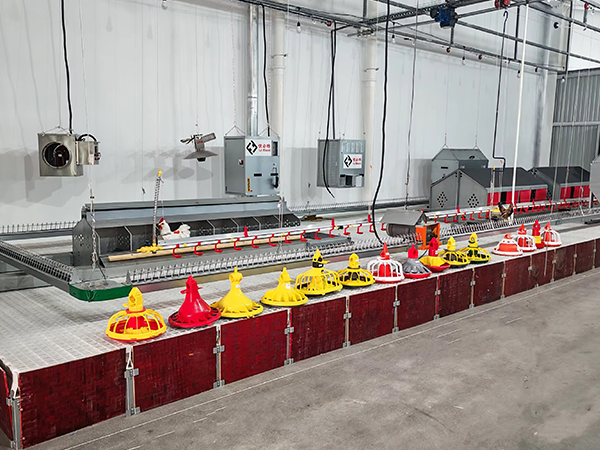
Chicken nipple drinkers are currently the most widely used drinking water equipment in large-scale poultry farms. They operate by triggering the valve to release water when chickens peck at the nipple, offering advantages such as water conservation, hygiene, and a high degree of automation. A high-quality nipple drinking system ensures that chickens have access to clean and hygienic water at all times, reducing disease transmission and lowering labor costs. However, the internal structure of nipple drinkers is precise, and proper maintenance is required during use to ensure their normal operation. This article provides a detailed introduction to the working principles, structural features, usage methods, and maintenance techniques of chicken nipple drinkers, helping farmers use and maintain drinking water equipment scientifically.
I. Working Principle of the Nipple Waterer
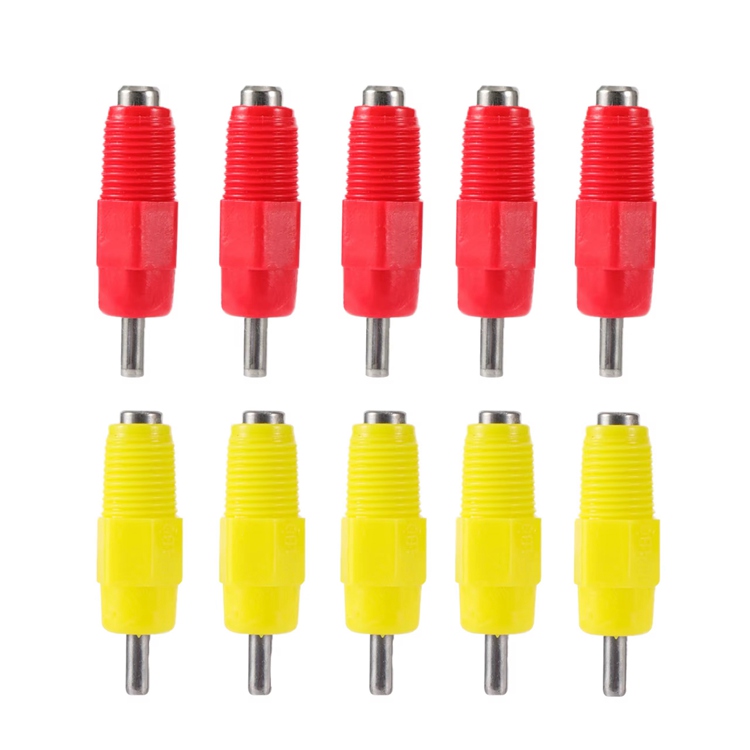
A nipple drinker for chickens is mainly composed of a valve body, nipple (valve stem), steel ball, spring, sealing ring, water inlet, and other parts. Its working principle is as follows: under normal conditions, the spring pushes the valve stem upward, causing the steel ball at the top of the valve stem to press tightly against the valve seat, closing the water flow channel so that no water leaks out. When a chicken pecks the nipple, the downward force on the nipple moves the valve stem downward, causing the steel ball to leave the valve seat and open the water flow channel, allowing water to flow out from the nipple for the chicken to drink. After the chicken finishes drinking and releases the nipple, the spring pushes the valve stem back to its original position, causing the steel ball to press tightly against the valve seat again, closing the water flow channel and stopping the water flow.
High-quality nipple drinkers feature sensitive triggers that release water with a light peck and stop immediately when released. They offer excellent sealing to prevent dripping and leaking. The water flow is moderate, meeting the drinking needs of chickens without waste. The materials are safe, non-toxic, durable, and corrosion-resistant.
II. Types and Characteristics of Nipple Drinkers
1. Classification by Structure: There are mainly two types: ball type and plunger type. The ball type uses steel balls as sealing components, featuring a simple structure and low cost, making it the most commonly used type today. The plunger type uses a plunger as the sealing component, offering better sealing performance and a longer service life, but at a slightly higher price.
2. Classification by Applicable Stage: Divided into broiler-specific, grower, and laying hen types. The broiler-specific type has a small water output (10-20 ml per minute) and low trigger force, suitable for chicks; the grower and laying hen types have a larger water output (30-60 ml per minute), suitable for larger chickens. When purchasing, the corresponding model should be selected based on the age of the chickens.
3. Classification by Installation Method: Divided into inline and bypass types. Inline water dispensers are directly installed on the water supply pipe, featuring a simple structure and easy installation; bypass water dispensers are connected to the main pipe via a bypass pipe, facilitating individual replacement and maintenance without affecting the main pipe.
III. Key Points for Installation and Use
1. Installation Position and Spacing: Nipple drinkers should be evenly installed on the water supply pipe, with spacing determined by the size of the chickens. The spacing should be 20-30 cm for chicks, 30-40 cm for growing chickens, and 40-50 cm for laying hens. Ensure that every chicken can easily find a drinker, preventing competition for drinkers that could affect water intake.
2. Installation Height: The height of the nipple drinker should be set so that chickens can easily peck at the nipple when standing naturally with their heads raised at approximately 45 degrees. During the chick stage, the height should be level with or slightly below the back, and should be gradually raised as the chickens grow. Generally, the height should be checked and adjusted once a week; during the growth period, when growth is rapid, it can be adjusted every 3 to 4 days.
3. Water Pressure Regulation: Water pressure is a critical factor affecting the normal operation of nipple drinkers. The recommended water pressure is 0.005–0.01 MPa during the chick stage, 0.01–0.02 MPa during the growing stage, and 0.02–0.03 MPa during the laying stage. Excessively high water pressure can cause leaks, while insufficient pressure results in inadequate water flow. Use a pressure regulator to precisely adjust the water pressure and install a pressure gauge for real-time monitoring to ensure the water pressure remains within the appropriate range.
4. Pipe Leveling: Water supply pipes should be kept horizontal to avoid uneven water pressure caused by elevation differences. If the pipe is too long (exceeding 100 meters), segmented water supply or additional supply points should be added in the middle to ensure uniform water pressure along the entire water line and sufficient water output at the end.
5. Training chickens to use it: Chickens that have just been switched to nipple drinkers, especially chicks, may not know how to use them. You can apply a small amount of glucose water or brown sugar water to the nipple to attract the chickens to peck at it, and gently press the nipple by hand to let water drip out to guide the chickens' attention. Generally, chickens can learn to use it within 1-2 days. For individual weak chickens that do not know how to use it, they should be trained separately to ensure that every chicken can drink water.
IV. Daily Maintenance and Care
1. Daily Inspection: When inspecting the chicken house daily, check the operating status of the waterers, listen for dripping sounds, and look for wetness on the floor. Promptly address any waterers that are leaking or not dispensing water. Check the pressure gauge readings to ensure normal water pressure. Observe the chickens' drinking behavior and promptly investigate the cause of any abnormalities.
2. Regular Cleaning: Disassemble and clean the nipple waterers once a week to remove internal scale, impurities, and biofilm. When cleaning, disassemble the waterer and use a soft-bristled brush to clean components such as the valve body, valve stem, steel ball, and spring. Do not scrape the sealing surfaces with hard objects to avoid damaging the sealing performance. After cleaning, reassemble the waterer and test the water flow and sealing. Flush the water supply pipes once a month by opening the end drain valve and using high-pressure water to rinse the inner walls of the pipes, removing any sediment.
3. Regular Disinfection: Disinfect the drinking water system every 1-2 weeks. You can use a bleaching powder solution (effective chlorine concentration of 10-20 ppm), a chlorine dioxide solution, or a peracetic acid solution. During disinfection, inject the disinfectant solution into the pipes and drinkers, soak for 30 minutes to 1 hour, and then rinse thoroughly with clean water. After disinfection, test the residual chlorine to ensure there is no residue before allowing the chickens to use the system. Note: Do not use high-concentration disinfectants to avoid corroding the components of the drinkers.
4. Replace Wear Parts: Inspect and replace wear parts such as sealing rings and springs every 3 to 6 months. If the water dispenser leaks, the water flow is unresponsive, or the trigger force increases, promptly check the condition of the sealing rings and springs, and immediately replace any that are aged or damaged. When replacing, select high-quality parts of the same model, specifically food-grade silicone sealing rings and stainless steel springs. Keep a certain quantity of wear parts and complete water dispensers in stock to ensure timely replacement.
5. Water Quality Management: Ensure that drinking water is clean and hygienic, using water sources that meet the water quality standards for livestock and poultry drinking water. Install filters to remove impurities, silt, rust, etc. from the water, reducing wear and clogging of the waterers. Regularly clean or replace the filter cartridges. When adding medications, vitamins, acidifiers, etc. to the drinking water, use them at the prescribed concentrations, and promptly clean the water system after use to prevent bacterial growth or corrosion of components.
6. Winter Freeze Protection: Take measures to insulate and protect the drinking water system from freezing during winter. Maintain the chicken house temperature within an appropriate range, generally not lower than 5°C. Wrap water supply pipes exposed to low-temperature environments with insulation cotton to reduce heat loss. If necessary, install electric heat trace cables on the pipes and power them on to prevent freezing. Check the water output of the drinkers daily; if ice is found, melt it promptly with warm water. Do not pour boiling water directly or strike with hard objects, as this may damage the drinkers.
V. Common Faults and Handling
Leakage and Dripping: The most common fault. Possible causes include excessive water pressure, aging of the sealing ring, foreign objects in the valve, or spring fatigue. Solutions: Check and adjust the water pressure to an appropriate range; disassemble the water dispenser to inspect the sealing ring, and replace it if it is aged; clean the valve and steel ball to remove foreign objects; inspect the spring, and replace it if it is fatigued or deformed.
No water output: Possible causes include water supply interruption, pipe blockage, internal jamming in the water dispenser, or insufficient water pressure. Solutions: Check whether the water supply valve is open and if there is a water outage; backflush the pipes to clear blockages; disassemble the water dispenser to inspect the interior, remove jammed foreign objects or replace damaged parts; increase the water pressure to an appropriate range.
Insufficient water flow: Possible causes include low water pressure, partial blockage in the pipes, or sediment inside the water dispenser. Solutions: Increase water pressure; clean the pipes; disassemble and clean the interior of the water dispenser to remove sediment and scale.
High trigger force: It is difficult for chickens to peck the nipple. Possible causes include excessive water pressure, an overly stiff spring, or a stuck valve stem. Solutions: reduce water pressure; replace the spring with appropriate elasticity; clean and lubricate the valve stem to eliminate sticking.
VI. When to Replace the Water Dispenser
Consider replacing the water dispenser under the following circumstances: 1. It continues to leak or fail to dispense water after multiple repairs; 2. The valve body is cracked or severely deformed; 3. Internal components are severely worn and cannot be repaired; 4. The service life exceeds 3–5 years, resulting in overall aging; 5. The trigger mechanism is damaged and cannot function properly. When replacing, select a high-quality product of the same model to ensure compatibility with the pipe interfaces. After replacement, test the water flow and sealing, and put it into use once normal operation is confirmed.
Summary
Chicken nipple drinkers are core water supply equipment in large-scale poultry farms, and their precise structure dictates the need for proper use and meticulous maintenance. Poultry farmers should understand the operating principles and structural characteristics of nipple drinkers, select appropriate models based on the age of the chickens, ensure proper positioning, height, and water pressure during installation, and train the chickens to use them. Daily maintenance tasks include inspection, cleaning, disinfection, replacement of wear parts, water quality management, and winter freeze protection, with prompt handling of any malfunctions. Only through scientific use and careful maintenance can the long-term stable operation of nipple drinkers be ensured, providing chickens with clean and hygienic drinking water, promoting their healthy growth, and improving poultry farming efficiency.
References
1. Poultry Branch of the China Animal Husbandry Association. Report on the Development of Poultry Farming Equipment in China [R]. Beijing: China Animal Husbandry Association, 2023.
2. National Animal Husbandry Station. Standard for the Management of Facilities and Equipment in Large-Scale Poultry Farms [M]. Beijing: China Agriculture Press, 2022.
3. Institute of Poultry Science, Chinese Academy of Agricultural Sciences. Manual on the Use and Maintenance of Laying Hen Farming Equipment [M]. Beijing: China Agricultural Science and Technology Press, 2021.
 Recommended Products
 Contact us
—— Contact:Manager
—— Tel:+86 15031740006
—— Email:mzan91369@gmail.com
—— Url:https://www.muzanlivestock.com
—— Address:Cang County, Cangzhou City, Hebei Province, China