
ProductsDetails
-
Rabbit Water Drinker
-
Farm Water Line and Feed Line
-
Farm Pressure Regulator
-
Pet Dog and Cat Water and Food Bowl
-
Poultry Pigeon Leg Bands
-
Poultry Automatic Drinking Bowl
-
Poultry Long Feeder Trough
-
Tail Docking Rings and Pliers
-
New Chicken Nipple Drinker
-
Cage Binding Pliers
-
Ear Tags
-
Ear Tag Pliers
-
Cross-Border Poultry Automatic Drinker
-
Cross-Border Auto Feeder and Waterer for Ducks Geese
-
Cross-Border Poultry Drinker and Feeder
-
Chick Bird Quail Drinking Bowl
-
Cattle Drinking Bowl
-
Poultry Transfer Crate
-
Poultry Bucket and Feeder
-
Chicken Automatic Drinker
-
Plasson Drinker
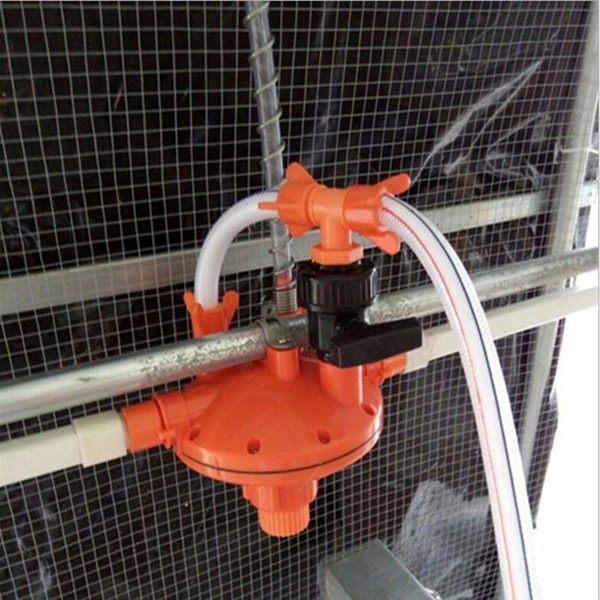
Farm Pressure Regulator Fence Mounting Installation
Product Introduction
The Farm Pressure Regulator Fence Mounting Installation is a complete mounting solution designed to securely install farm water pressure regulators on farm fences, walls, posts, or other structural supports. Proper mounting of the pressure regulator is essential for stable operation, accurate pressure regulation, easy access for adjustment and maintenance, and protection from damage. This fence mounting installation kit includes all necessary hardware and brackets to securely mount the pressure regulator in a variety of farm environments, eliminating the need for custom fabrication or sourcing of individual mounting components. The mounting system is designed to accommodate standard farm pressure regulator models, with adjustable brackets that allow for flexible positioning and orientation to suit the specific installation location and farm layout. Made of high-quality, durable materials including corrosion-resistant steel brackets, galvanized or coated hardware, and UV-stabilized plastic components (where applicable), the mounting kit is built to withstand the harsh farm environment including exposure to moisture, chemicals, UV light, temperature fluctuations, and physical impact. Easy to install with basic tools, with detailed instructions provided, this fence mounting installation kit ensures the pressure regulator is securely, safely, and conveniently installed for optimal performance and long service life. Suitable for mounting pressure regulators on chain-link fences, wooden fences, metal posts, concrete walls, wooden walls, or other structural supports in broiler houses, layer farms, breeder farms, duck farms, goose farms, and other poultry and livestock operations.
Product Features and Advantages
Complete mounting kit includes all necessary brackets, hardware, and accessories for secure pressure regulator installation, eliminating the need for custom fabrication or sourcing of individual components, and ensuring all parts are compatible and sized correctly. Adjustable bracket design allows for flexible positioning and orientation of the pressure regulator, accommodating different installation locations, fence types, wall surfaces, and farm layouts, and allowing the regulator to be positioned for optimal access and visibility. The mounting system is designed to securely hold the pressure regulator in place, preventing movement, vibration, or shifting that could affect pressure regulation accuracy, cause connection leaks, or damage the regulator or connecting tubes. High-quality, corrosion-resistant materials including galvanized or coated steel brackets and hardware ensure long service life in the harsh farm environment, with resistance to rust, corrosion, moisture, chemicals, and temperature fluctuations. The mounting kit is compatible with most standard farm pressure regulator models, with universal mounting hole patterns and adjustable brackets that fit a wide range of regulator body sizes and shapes. Easy installation with basic tools (typically just a wrench or socket set and screwdriver), with detailed, illustrated instructions provided, allowing farm staff to install the mounting system and regulator with confidence, even without specialized technical expertise. The fence mounting design elevates the pressure regulator off the ground or floor, protecting it from damage by livestock, equipment, cleaning operations, or flooding, and keeping it cleaner and easier to inspect and maintain. Proper mounting positions the regulator at a convenient height for adjustment and monitoring, reducing strain on farm staff and making daily pressure checks and adjustments quick and easy. The mounting system allows for easy removal and reinstallation of the pressure regulator if needed for major maintenance, repair, or replacement, without requiring permanent modifications to the fence or wall structure. All hardware is sized and selected for the specific application, with appropriate bolt lengths, nut types, and washers to ensure secure, reliable mounting on various fence and wall materials. The mounting brackets are designed to distribute the weight of the regulator and water pressure forces evenly, preventing stress concentration points that could damage the fence, wall, or regulator over time. The kit includes appropriate fasteners for different mounting surfaces (such as wood screws for wooden fences/walls, self-tapping screws for metal, or through-bolts for concrete or thick posts), ensuring secure installation on any surface. Each mounting kit is quality-inspected before shipment to ensure all components are present, properly sized, and free of defects.
Installation, Usage and Maintenance
Installation: The fence mounting installation kit should be installed following the detailed instructions provided. Before beginning installation, read through all instructions carefully and verify all components are present and undamaged. Select an appropriate mounting location for the pressure regulator, considering the following factors: proximity to the water supply entry point and the beginning of the water line; easy access for adjustment, monitoring, and maintenance (typically at chest to shoulder height for adult workers); protection from direct livestock contact, equipment traffic, and physical damage; adequate space around the regulator for operation, inspection, and future component replacement; visibility for daily pressure checks; and stable, solid mounting surface that can support the weight of the regulator and water pressure forces. Step 1 - Prepare the mounting surface: Ensure the fence, wall, or post is solid, stable, and in good condition. Repair any loose boards, posts, or wall sections before mounting. Clean the mounting surface of any dirt, debris, rust, or loose material that could interfere with secure mounting. Step 2 - Position the mounting brackets: Hold the mounting brackets against the mounting surface at the desired height and position, using the pressure regulator as a guide to ensure proper spacing and alignment. Use a level to ensure the brackets are positioned horizontally, so the regulator will mount level. Mark the mounting hole positions on the surface using a pencil or marker. Step 3 - Install the brackets: Drill pilot holes at the marked positions (if required for the mounting surface, especially for wood or metal). Attach the brackets to the mounting surface using the appropriate fasteners from the kit (wood screws for wood, self-tapping screws for metal, through-bolts with nuts and washers for concrete or thick posts). Ensure all fasteners are tightened securely, and the brackets are firmly attached with no movement or wobbling. Use washers under fastener heads and nuts to distribute pressure and prevent pull-through. Step 4 - Mount the pressure regulator: Position the pressure regulator against the mounting brackets, aligning the mounting holes on the regulator body with the holes on the brackets. Insert the appropriate bolts or screws through the aligned holes, securing with nuts (if through-bolts) or threading directly into the regulator mounting points (if threaded). Tighten all fasteners securely, but avoid over-tightening which could crack or damage the plastic regulator body. Use washers as appropriate to distribute pressure. Verify the regulator is level, securely mounted, and has no movement or wobbling. Step 5 - Connect water lines: Once the regulator is securely mounted, connect the incoming water supply to the regulator inlet and the outgoing water line to the regulator outlet, using appropriate fittings and flexible connecting tubes. Ensure all connections are secure and leak-free, with adequate flexibility in the connecting tubes to accommodate any minor movement or vibration. Step 6 - Test and commission: Turn the water supply back on slowly and check for any leaks at all connection points and around the regulator. Verify the regulator is functioning correctly and maintaining stable pressure. Adjust the pressure to the desired setting using the regulator's adjustment control. Verify water delivery at drinkers along the line. Check the mounting brackets and fasteners after pressurization to ensure they remain tight and secure, with no shifting or movement. Usage: Once properly installed, the fence-mounted pressure regulator should provide stable, reliable water pressure regulation with minimal attention. During daily walk-throughs, verify the regulator remains securely mounted with no loosening or shifting of brackets or fasteners. Check the pressure setting and indicator as part of routine monitoring. The elevated, fence-mounted position protects the regulator from damage and keeps it accessible for adjustments and maintenance. If the regulator needs to be removed for major maintenance, repair, or replacement, simply disconnect the water lines (after turning off the water supply), remove the mounting bolts, and lift the regulator off the brackets. The mounting brackets can remain in place for reinstallation, or be removed if no longer needed. When reinstalling, align the regulator with the brackets and reinsert the mounting bolts, tightening securely. Daily Maintenance: Check the mounting brackets, fasteners, and regulator position during daily walk-throughs, verifying everything remains tight, secure, and properly positioned with no movement, shifting, or sagging. Wipe the exterior of the brackets and regulator with a clean, damp cloth to remove any dust, dirt, or moisture. Check for any signs of corrosion, rust, or damage on the metal brackets and hardware. Verify the regulator remains level and properly aligned. Check that connecting tubes are not under excessive tension or stress due to any shifting of the regulator position. Weekly Maintenance: Inspect all mounting fasteners for tightness, retightening any that have become loose due to vibration or temperature changes. Check the mounting brackets for any signs of bending, cracking, or deformation, especially at stress concentration points. Inspect the regulator mounting points for any cracks or damage where the bolts attach. Verify the entire mounting assembly can support the weight of the regulator and water pressure without any movement or flexing. Clean the brackets and hardware with a mild detergent solution if soiled, rinsing thoroughly and drying to prevent corrosion. Monthly Maintenance: Perform a detailed inspection of the entire mounting system, checking all fasteners, brackets, and mounting points for wear, corrosion, or damage. Consider removing and reinstalling fasteners one at a time to inspect threads and ensure they remain in good condition, applying a small amount of anti-seize compound to threads if appropriate for the environment. Check the mounting surface (fence, wall, or post) for any deterioration, rot, rust, or damage that could affect the integrity of the mounting, repairing or reinforcing the surface if necessary. Verify the regulator mounting holes have not become elongated or damaged due to movement or stress. Annual Maintenance: Consider replacing all mounting hardware (bolts, nuts, washers, screws) during annual maintenance, especially if corrosion or rust is present, to ensure continued secure mounting. Inspect the mounting brackets for any signs of metal fatigue, corrosion, or structural degradation, replacing if necessary. If the mounting surface has deteriorated significantly, consider relocating the regulator to a more solid mounting location or reinforcing the existing surface. Re-torque all fasteners to the appropriate tightness, and verify the entire system is secure and stable. Keep spare mounting hardware and brackets on hand for emergency replacement if components become damaged or corroded. Troubleshooting: If the regulator is loose or wobbling on the mount, check for loose fasteners, elongated mounting holes, damaged brackets, or a deteriorating mounting surface. Tighten fasteners, replace damaged components, or repair/reinforce the mounting surface as needed. If the mounting brackets are bending or flexing under weight or pressure, check that the brackets are properly sized and rated for the regulator weight and operating pressure, verify all fasteners are tight, and consider adding additional support or reinforcing brackets if flexing is significant. If fasteners keep coming loose, check for excessive vibration from water pressure or equipment, verify the correct fastener type and size is being used, consider using lock washers or thread-locking compound, and ensure the mounting surface is solid and not vibrating. If there are signs of corrosion or rust on the mounting hardware, replace the affected fasteners with corrosion-resistant alternatives (such as stainless steel or galvanized), and consider applying a protective coating or anti-corrosion treatment to the brackets. If the regulator mounting holes are cracking or becoming damaged, check for over-tightening of fasteners, excessive stress from connecting tubes, or movement/vibration of the regulator. Use larger washers to distribute pressure, reduce tube stress by adding flexibility, and ensure the regulator is securely mounted to prevent movement. If the mounting surface (fence, wall, or post) is deteriorating and cannot support the regulator, relocate the mounting to a more solid location, or reinforce the existing surface with additional backing plates, cross-braces, or structural repairs.
 Recommended News
-
FAQ on Cross-Border Procurement of Livestock Equipment
2026-10-15 11:32:39
-
FAQ on Common Issues with Chick Brooding Watering Equipment
2026-10-15 11:29:59
-
FAQ on Selecting Aquaculture Equipment
2026-10-15 11:28:34
-
Causes and Solutions for Leaking Poultry Waterers
2026-10-15 11:27:03
-
Troubleshooting Common Faults in Water Line and Feed Line Systems of Farming Facilities
2026-10-15 11:25:44
Contact us
—— Contact:Manager
—— Tel:+86 15031740006
—— Email:mzan91369@gmail.com
—— Url:https://www.muzanlivestock.com
—— Address:Cang County, Cangzhou City, Hebei Province, China