
ProductsDetails
-
Rabbit Water Drinker
-
Farm Water Line and Feed Line
-
Farm Pressure Regulator
-
Pet Dog and Cat Water and Food Bowl
-
Poultry Pigeon Leg Bands
-
Poultry Automatic Drinking Bowl
-
Poultry Long Feeder Trough
-
Tail Docking Rings and Pliers
-
New Chicken Nipple Drinker
-
Cage Binding Pliers
-
Ear Tags
-
Ear Tag Pliers
-
Cross-Border Poultry Automatic Drinker
-
Cross-Border Auto Feeder and Waterer for Ducks Geese
-
Cross-Border Poultry Drinker and Feeder
-
Chick Bird Quail Drinking Bowl
-
Cattle Drinking Bowl
-
Poultry Transfer Crate
-
Poultry Bucket and Feeder
-
Chicken Automatic Drinker
-
Plasson Drinker
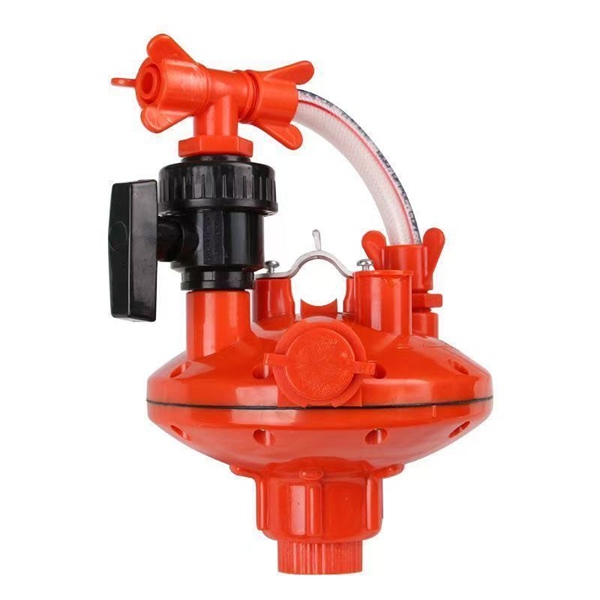
Farm Pressure Regulator Red Pump Head
Product Introduction
The Farm Pressure Regulator Red Pump Head is a manual pumping accessory designed for use with farm water pressure regulators, serving important functions including manual system priming, pressure testing, and water circulation during maintenance or medication procedures. The distinctive bright red color provides high visibility in the farm environment, making the pump head easy to locate during installation, maintenance, and emergency situations. This pump head attaches to the designated port on the pressure regulator body, creating a manual pumping mechanism that allows farm staff to manually circulate water, build pressure, or prime the system when automatic water pressure is insufficient or unavailable. The ergonomic pump handle allows for easy, comfortable operation even with gloved hands, while the durable construction ensures reliable performance through repeated use. Made of high-quality, durable materials including corrosion-resistant plastic and rubber components, the pump head is built to withstand the daily rigors of the farm environment including exposure to water, chemicals, temperature fluctuations, and regular handling. Easy to install, operate, and maintain, this red pump head is compatible with most standard farm pressure regulator models. It is an essential accessory for every poultry and livestock farm using automated watering systems, facilitating proper system installation, priming, maintenance, and troubleshooting. Suitable for use in broiler houses, layer farms, breeder farms, duck farms, goose farms, and other poultry and livestock operations.
Product Features and Advantages
Bright red color provides high visibility in the farm environment, making the pump head easy to locate during installation, maintenance, and emergency situations, and reducing the risk of misplacement or loss. Manual pumping capability allows farm staff to manually circulate water, build pressure, or prime the system when automatic water pressure is insufficient, unavailable, or when the water supply needs to be turned off for maintenance. Ergonomic pump handle design allows for easy, comfortable operation even with gloved hands or in cold weather, with proper leverage to reduce hand fatigue during extended pumping. Durable construction using high-quality, corrosion-resistant materials selected for long service life in the harsh farm environment, with resistance to water, chemicals, mineral deposits, and temperature fluctuations. The pump head serves multiple important functions: system priming during initial installation or after draining and cleaning, pressure testing to verify system integrity and identify leaks, water circulation during medication administration to ensure even distribution of medication throughout the line, and air bleeding to remove trapped air from the system. The manual pump is particularly useful during power outages or water supply disruptions, allowing farm staff to maintain at least minimal water circulation and pressure to prevent complete dehydration of livestock. Easy to install and remove without special tools, simply attach to the designated regulator port using the provided connector, with a secure fit that prevents leaks during pumping. The pump head includes a check valve mechanism that ensures one-way water flow, preventing backflow and maintaining pressure once pumping is complete. Lightweight, portable design allows the pump head to be easily carried between houses or stored in the farm maintenance kit for use wherever needed. Each pump head is quality-tested at the factory to ensure proper fit, secure attachment, reliable pumping performance, and leak-free operation before shipment. Low-cost, replaceable design means farm staff can quickly replace a damaged or worn pump head without needing to replace any other regulator components, minimizing maintenance costs. The red color also serves as a visual indicator that this is a manual operation component, helping farm staff identify it quickly and reducing the risk of confusion with other regulator ports or components.
Installation, Usage and Maintenance
Installation: The red pump head is designed for quick and easy installation on standard farm pressure regulators. Before installation, determine the appropriate port on the regulator body for pump attachment (typically a designated port marked for pump or priming use, or the filling/medication port if no dedicated pump port exists). Ensure the water supply to the regulator is turned off if you will be performing maintenance or pressure testing, to prevent unexpected water flow during the procedure. Remove any protective cap or plug from the port, if present. Inspect the new red pump head for any damage, defects, or loose components before installation. Check that all connections, seals, and the pump mechanism are in good working order. Align the pump head connector with the regulator port, ensuring any gaskets or seals are properly positioned to prevent leaks. Attach the pump head securely to the port, using the provided connector, clamp, or threaded fitting as applicable. Verify the pump head is securely attached with no wobbling or loose fit, and that the pump handle moves freely through its full range of motion. Once installed, the pump head is ready for use. Usage: System Priming: When initially installing a new water line, or after draining and cleaning an existing line, the red pump head is used to manually prime the system by pumping water from the regulator through the water lines. Attach the pump head, ensure the regulator is filled with water, and begin pumping slowly and steadily. The manual pumping action creates pressure that pushes water through the lines, displacing air and establishing initial water flow. Continue pumping until water flows consistently from all drinkers along the line, indicating the system is fully primed and free of air. Pressure Testing: After installation or repair of a water line, the pump head can be used to perform a pressure test to verify system integrity and identify any leaks. Close all drinkers or cap the end of the line, attach the pump head, and pump to build pressure within the system to the recommended test level (typically 1.5-2 times normal operating pressure). Monitor the pressure for a period of time (typically 15-30 minutes) to check for pressure drop, which would indicate a leak in the system. Inspect all connections, joints, and drinkers for signs of water leakage during the test. Medication Circulation: When administering medication through the drinking water, the pump head can be used to manually circulate the medicated water through the system to ensure even distribution of medication throughout all lines and drinkers. This is particularly useful for systems with long lines or multiple branches where medication may not distribute evenly through normal flow alone. After introducing medication into the system, pump manually for several minutes to circulate the medicated water throughout all lines, ensuring consistent medication concentration at all drinkers. Air Bleeding: If air becomes trapped in the water system (which can cause inconsistent water flow, gurgling noises, or reduced water delivery to drinkers), the pump head can be used to help bleed air from the system. Pump manually while opening drinkers at the far end of the line to allow air to escape, continuing until water flows consistently without sputtering or air bubbles. Daily Maintenance: After each use of the pump head (for priming, testing, or circulation), rinse it thoroughly with clean water to remove any residue, especially if it was used with medication or cleaning solutions. Wipe the exterior with a clean, damp cloth. Inspect the pump head for any cracks, damage, or excessive wear. Check that the pump handle moves smoothly and the check valve functions properly. If the pump head is left installed on the regulator permanently (as some farms do), check it during daily walk-throughs to ensure it is securely attached, clean, and undamaged. Wipe off any dust, dirt, or moisture that accumulates on the exterior. Weekly Maintenance: Remove the pump head from the regulator and wash it thoroughly with warm water and mild detergent, using a soft brush to remove any residue, mineral deposits, or debris from all surfaces, including the pump mechanism and connector. Pay special attention to the check valve area, as this can accumulate deposits that affect function. Rinse thoroughly with clean water and allow to dry completely before reinstalling or storing. Inspect all seals and gaskets for wear or damage, replacing if necessary. Lubricate the pump mechanism with a food-grade lubricant if recommended by the manufacturer, to ensure smooth operation. Monthly Maintenance: Inspect all red pump heads in the farm system for uniform condition, replacing any that show excessive scratching, cracking, cloudiness, discoloration, fading of the red color, or deformation. Verify that all pump heads fit securely in their respective regulator ports, replacing any connectors or seals that have become worn or do not fit properly. Test the pumping performance of each pump head to ensure it builds and maintains pressure effectively, replacing any that have lost pumping efficiency due to worn seals or check valves. Sanitize pump heads with a food-safe disinfectant solution, following manufacturer instructions for proper dilution and contact time, and rinse thoroughly after sanitizing. Long-term Maintenance: Replace red pump heads every 2-3 years or as needed based on condition and usage frequency, as rubber seals and plastic components can degrade over time with exposure to UV light, chemicals, and temperature fluctuations. Keep spare pump heads and repair kits on hand for quick replacement if one becomes damaged, worn, or loses pumping efficiency. When performing major maintenance or replacement of the entire pressure regulator, consider installing a new pump head at the same time. Troubleshooting: If the pump head does not build pressure when pumping, check for worn or damaged seals, a faulty check valve, loose connections, or cracks in the pump body. Inspect and clean the check valve, replace worn seals, and ensure all connections are tight. If the pump head leaks during use, check for cracks or damage to the pump body or connector, verify all seals and gaskets are properly positioned and in good condition, and ensure the pump head is properly seated and tightened in the port. If the pump handle is difficult to operate or sticks, clean and lubricate the pump mechanism, check for obstructions or debris in the pump cylinder, and inspect for bent or damaged handle components. If pressure is not maintained after pumping (pressure drops quickly), check for a faulty check valve, worn seals, leaks in the system, or an improperly closed drain or fill valve. If the pump head has become discolored, cloudy, or brittle, clean thoroughly or replace if degradation is significant, as this can affect performance and hygiene.
 Recommended News
-
FAQ on Cross-Border Procurement of Livestock Equipment
2026-10-15 11:32:39
-
FAQ on Common Issues with Chick Brooding Watering Equipment
2026-10-15 11:29:59
-
FAQ on Selecting Aquaculture Equipment
2026-10-15 11:28:34
-
Causes and Solutions for Leaking Poultry Waterers
2026-10-15 11:27:03
-
Troubleshooting Common Faults in Water Line and Feed Line Systems of Farming Facilities
2026-10-15 11:25:44
Contact us
—— Contact:Manager
—— Tel:+86 15031740006
—— Email:mzan91369@gmail.com
—— Url:https://www.muzanlivestock.com
—— Address:Cang County, Cangzhou City, Hebei Province, China