
ProductsDetails
-
Rabbit Water Drinker
-
Farm Water Line and Feed Line
-
Farm Pressure Regulator
-
Pet Dog and Cat Water and Food Bowl
-
Poultry Pigeon Leg Bands
-
Poultry Automatic Drinking Bowl
-
Poultry Long Feeder Trough
-
Tail Docking Rings and Pliers
-
New Chicken Nipple Drinker
-
Cage Binding Pliers
-
Ear Tags
-
Ear Tag Pliers
-
Cross-Border Poultry Automatic Drinker
-
Cross-Border Auto Feeder and Waterer for Ducks Geese
-
Cross-Border Poultry Drinker and Feeder
-
Chick Bird Quail Drinking Bowl
-
Cattle Drinking Bowl
-
Poultry Transfer Crate
-
Poultry Bucket and Feeder
-
Chicken Automatic Drinker
-
Plasson Drinker
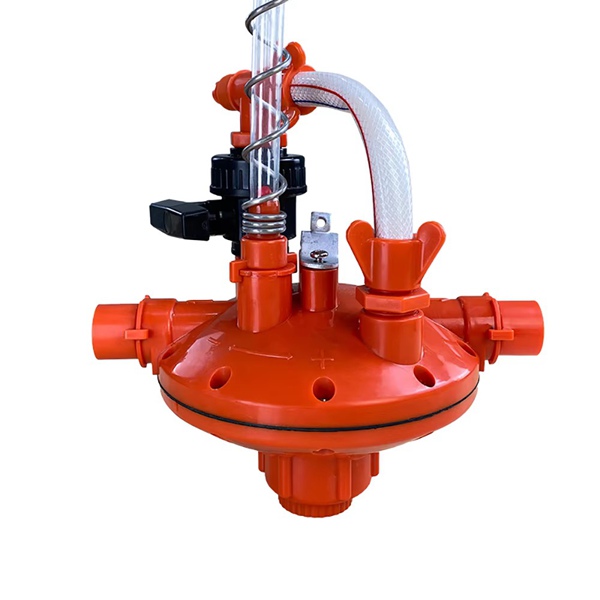
Farm Pressure Regulator Red Spring Tube
Product Introduction
The Farm Pressure Regulator Red Spring Tube is a flexible, durable connecting hose designed for use with farm water pressure regulators, serving as the critical connection between the pressure regulator body and the main water distribution line. The distinctive bright red color provides high visibility in the farm environment, making the tube and its connections easy to inspect during routine maintenance and reducing the risk of accidental damage during farm operations. This spring-reinforced flexible tube is designed to withstand constant water pressure, movement, and vibration while maintaining a secure, leak-free connection between the regulator and the water line. The spring reinforcement provides excellent flexibility while preventing kinking, crushing, or collapse under pressure, ensuring consistent water flow at all times. Made of high-quality, durable materials including food-grade inner tubing, reinforcing spring, and protective outer coating, the tube is safe for use with drinking water, resistant to corrosion from water treatment chemicals and cleaning agents, and built to withstand the daily rigors of the farm environment. Easy to install, cut to length, and maintain, this red spring tube is compatible with most standard farm pressure regulator and water line connection sizes. It is an essential component of every automated poultry and livestock watering system, providing the critical flexible connection that allows the pressure regulator to function properly while accommodating movement, vibration, and minor alignment variations. Suitable for use in broiler houses, layer farms, breeder farms, duck farms, goose farms, and other poultry and livestock operations.
Product Features and Advantages
Bright red outer color provides high visibility in the farm environment, making the tube and its connections easy to locate and inspect during routine maintenance, and reducing the risk of accidental damage from equipment, workers, or livestock during farm operations. Spring-reinforced construction provides excellent flexibility while preventing kinking, crushing, or collapse under pressure, ensuring consistent, unobstructed water flow at all times even when the tube is bent or moved. The flexible nature of the tube accommodates movement, vibration, and minor alignment variations between the pressure regulator and the fixed water line, reducing stress on connections and preventing leaks caused by rigid mounting. Food-grade inner tubing material is safe for contact with drinking water, non-toxic, odorless, and resistant to corrosion from water treatment chemicals, medications, and cleaning agents, ensuring long service life and maintaining water quality. Durable construction using high-quality materials selected for long service life in the harsh farm environment, with resistance to water, pressure, chemicals, mineral deposits, UV exposure, and temperature fluctuations. The tube is designed to withstand the constant pressure cycling and water hammer effects that occur in automated watering systems, without degradation or failure. Easy to install and cut to length using standard tools, with universal connection sizes compatible with most standard farm pressure regulator and water line fittings, allowing for quick, customized installation in any farm layout. Smooth inner surface minimizes friction and turbulence, promoting efficient water flow and reducing the accumulation of biofilm and mineral deposits on the tube interior. The red color also makes any leaks or wet spots around the tube connections immediately visible, enabling quick identification and resolution of leaks before they cause significant water waste or litter wetness. Lightweight, flexible design makes handling and installation easy for farm staff, and allows the tube to be routed around obstacles or through tight spaces as needed. Each spring tube is quality-tested at the factory to ensure proper dimensions, pressure rating, flexibility, and leak-free performance before shipment. Replaceable design means the tube can be easily cut to length and replaced if it becomes damaged, worn, or degraded, without requiring replacement of the pressure regulator or water line, minimizing maintenance costs and downtime.
Installation, Usage and Maintenance
Installation: The red spring tube is designed for easy installation between the farm pressure regulator and the main water distribution line. Before installation, ensure the water supply to the system is turned off to prevent water spillage and ensure safe working conditions. Measure the required length of tube between the regulator outlet port and the water line inlet, allowing some extra length for flexibility and movement (typically add 10-15% to the straight-line measurement). Using a sharp utility knife or tube cutter, cut the tube to the required length, ensuring a clean, square cut with no burrs or jagged edges that could affect sealing. Inspect both ends of the cut tube for any damage or defects. Prepare the connection points on both the pressure regulator and the water line, removing any old tube, seals, or debris, and cleaning the fitting surfaces. If using hose clamps, slide a clamp onto each end of the tube before inserting the fittings. Insert the tube firmly onto the barbed fittings on both the regulator and the water line, ensuring the tube is pushed all the way onto the fitting for a secure connection. If using compression fittings, follow the manufacturer's instructions for proper assembly. Secure the connections with hose clamps, tightening evenly to ensure a leak-free seal without over-tightening which could damage the tube. Once both connections are secure, turn the water supply back on slowly and check for any leaks at both connection points and along the tube length. Verify water flows properly through the tube and into the water line, checking drinkers along the line for proper water delivery. If the tube is long or runs along the floor or other surfaces, secure it in place with appropriate clips or hangers to prevent tripping hazards, damage from equipment, or interference with livestock. Usage: During normal operation, the red spring tube carries pressurized water from the pressure regulator to the main water distribution line, maintaining the regulated pressure throughout the system. The tube should be checked regularly as part of the daily walk-through to ensure it remains in good condition with no leaks, bulges, kinks, or damage. The bright red color makes it easy to spot any issues such as leaks (visible as wet spots), bulges (indicating potential tube failure), or discoloration (indicating chemical or UV degradation). The flexible tube accommodates normal movement and vibration of the pressure regulator and water line system, which can occur due to water pressure fluctuations, temperature changes, or building settling. If the farm uses multiple regulators or water line zones, verify each tube is properly connected and functioning, with no cross-connections or misrouting. Daily Maintenance: Check the red spring tube during daily walk-throughs, verifying there are no leaks at the connections or along the tube length, no bulges or swelling that could indicate impending tube failure, no kinks or sharp bends that could restrict water flow, and no visible damage or excessive wear. Wipe the exterior of the tube with a clean, damp cloth to remove any dust, dirt, or moisture, keeping the tube clean and making inspection easier. Verify the tube connections remain secure and tight, with no signs of loosening or shifting. Check that the tube is not being pinched, crushed, or abraded by any equipment, building structure, or other objects. Weekly Maintenance: Inspect the tube more thoroughly, checking the entire length for any signs of wear, abrasion, bulging, cracking, or discoloration. Pay special attention to the areas near the connections, where stress and movement are concentrated. Check all hose clamps or compression fittings for tightness and proper seating, retightening if necessary but being careful not to over-tighten. If the tube is accessible, gently flex it along its length to check for any signs of brittleness or cracking, which would indicate the tube material has degraded and needs replacement. Clean the exterior of the tube with a mild detergent solution if it has become soiled with manure, feed, or other farm debris, rinsing thoroughly with clean water. Monthly Maintenance: Perform a detailed inspection of the tube, including checking the interior condition if accessible (by disconnecting one end and inspecting for biofilm, mineral deposits, or degradation). Check the tube's pressure rating is still appropriate for the system operating pressure, and that no modifications have been made that could affect tube performance. Inspect the connection fittings for any signs of corrosion, wear, or damage, replacing fittings if necessary. Consider flushing the tube interior with a water line cleaning solution to remove any biofilm or mineral buildup, following the cleaning product instructions and flushing thoroughly afterward. Annual Maintenance: Consider replacing the red spring tube during annual system maintenance, especially if the farm has high water pressure, uses aggressive water treatments, or the tube shows signs of aging or degradation. Even if the tube appears in good condition, replacing it every 3-5 years (depending on usage and conditions) is recommended as preventive maintenance to avoid unexpected failures. When replacing the tube, also inspect and replace any worn hose clamps, seals, or fittings. Keep spare tube material and appropriate fittings on hand for emergency repairs or replacements. Troubleshooting: If the tube is leaking at a connection point, check that the tube is properly seated on the fitting, the hose clamp is tight enough (but not over-tightened), the fitting is not damaged or corroded, and the tube end is cut squarely with no burrs. If the tube is leaking along its length (not at connections), check for punctures, cracks, abrasion damage, or bulging indicating tube failure. A leaking tube should be replaced immediately, as it will only worsen over time and can cause significant water waste and litter wetness. If the tube has developed a bulge or swelling, this indicates the tube material has weakened and is at risk of bursting. Replace the tube immediately before it fails completely. If water flow through the tube is restricted or reduced, check for kinks, sharp bends, crushing, or internal blockages from biofilm or mineral deposits. Straighten any kinks, remove any crushing objects, and clean or replace the tube if internal blockage is the cause. If the tube has become brittle, cracked, or discolored (especially if the red color has faded significantly or turned brown/opaque), this indicates UV or chemical degradation, and the tube should be replaced as it may fail unexpectedly. If the tube connections keep loosening or leaking repeatedly, check for damaged fittings, worn tube ends, improper clamp size, or excessive vibration/movement. Address the underlying cause and replace components as needed.
 Recommended News
-
FAQ on Cross-Border Procurement of Livestock Equipment
2026-10-15 11:32:39
-
FAQ on Common Issues with Chick Brooding Watering Equipment
2026-10-15 11:29:59
-
FAQ on Selecting Aquaculture Equipment
2026-10-15 11:28:34
-
Causes and Solutions for Leaking Poultry Waterers
2026-10-15 11:27:03
-
Troubleshooting Common Faults in Water Line and Feed Line Systems of Farming Facilities
2026-10-15 11:25:44
Contact us
—— Contact:Manager
—— Tel:+86 15031740006
—— Email:mzan91369@gmail.com
—— Url:https://www.muzanlivestock.com
—— Address:Cang County, Cangzhou City, Hebei Province, China