
ProductsDetails
-
Rabbit Water Drinker
-
Farm Water Line and Feed Line
-
Farm Pressure Regulator
-
Pet Dog and Cat Water and Food Bowl
-
Poultry Pigeon Leg Bands
-
Poultry Automatic Drinking Bowl
-
Poultry Long Feeder Trough
-
Tail Docking Rings and Pliers
-
New Chicken Nipple Drinker
-
Cage Binding Pliers
-
Ear Tags
-
Ear Tag Pliers
-
Cross-Border Poultry Automatic Drinker
-
Cross-Border Auto Feeder and Waterer for Ducks Geese
-
Cross-Border Poultry Drinker and Feeder
-
Chick Bird Quail Drinking Bowl
-
Cattle Drinking Bowl
-
Poultry Transfer Crate
-
Poultry Bucket and Feeder
-
Chicken Automatic Drinker
-
Plasson Drinker
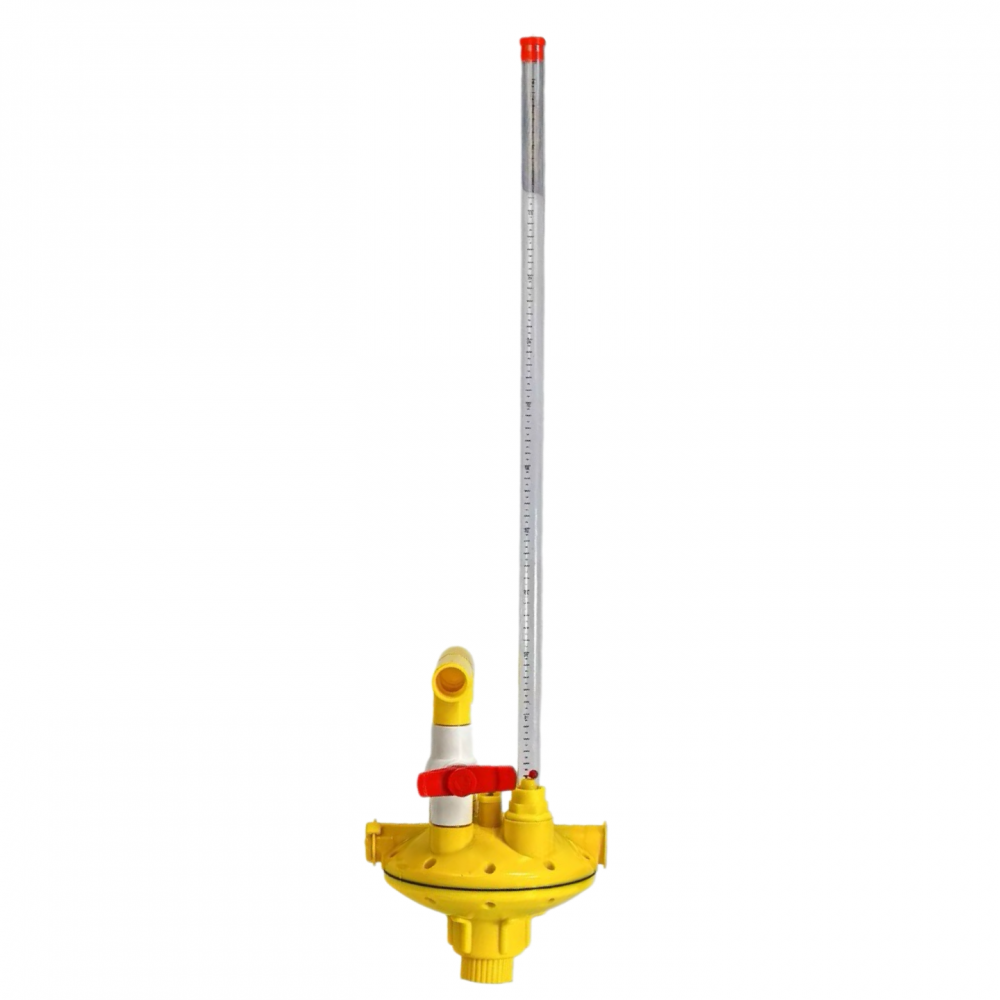
Farm Pressure Regulator Yellow Water Level Gauge
Product Introduction
The Farm Pressure Regulator Yellow Water Level Gauge is a specialized accessory designed for use with farm water pressure regulators, providing clear and immediate visual indication of the water level inside the regulator body. The bright yellow color of the gauge housing provides high contrast against the clear water, making water level readings quick and easy even from a distance. This water level gauge is an essential component of the pressure regulator system, allowing farm staff to monitor proper water flow, identify potential blockages, and ensure the regulator is functioning correctly. Made of durable, food-grade plastic material, the gauge is safe for use with drinking water, resistant to corrosion from water treatment chemicals and medications, and built to withstand the daily rigors of farm environment. The clear, easy-to-read scale markings on the gauge allow for precise water level monitoring, with indicators showing optimal operating range. Easy to install and replace without special tools, this water level gauge is compatible with most standard farm pressure regulator models. Suitable for use in broiler houses, layer farms, breeder farms, duck farms, goose farms, and other poultry and livestock operations where automated watering systems are in use.
Product Features and Advantages
Bright yellow housing provides high contrast against clear water, making water level immediately visible even from a distance, reducing inspection time and enabling quick identification of any issues with regulator operation. Clear, calibrated scale markings on the gauge allow for precise water level readings, with clearly marked optimal operating range, minimum level, and maximum level indicators to help farm staff maintain proper regulator function. Food-grade plastic construction is safe for contact with drinking water, non-toxic, odorless, and resistant to corrosion from water treatment chemicals, medications, and cleaning agents, ensuring long service life and maintaining water quality. Durable construction withstands the harsh farm environment including exposure to moisture, temperature fluctuations, UV light, and regular cleaning, with the yellow color remaining vibrant and visible for years. Easy to install and replace without special tools, simply twist or clip into place on the pressure regulator body, with universal fitting compatible with most standard farm pressure regulator models. The water level gauge serves as an important diagnostic tool: a consistently low water level may indicate insufficient incoming water pressure or a blockage in the supply line, while a high or overflowing level may signal a problem with the regulator's internal valve mechanism. Transparent viewing window allows for easy visual inspection of water clarity, with any cloudiness, sediment, or biofilm immediately visible, indicating when the regulator and water line need cleaning. Lightweight design reduces shipping costs and makes handling and installation easy for farm staff. The yellow color also provides a visual safety indicator, making the pressure regulator more visible in the farm environment and reducing the risk of accidental damage during cleaning or maintenance operations. Each gauge is quality-tested at the factory to ensure proper fit, clear markings, and leak-free performance before shipment. Low-cost, replaceable design means farm staff can quickly swap out a damaged or cloudy gauge without needing to replace the entire pressure regulator, minimizing downtime and maintenance costs.
Installation, Usage and Maintenance
Installation: The yellow water level gauge is designed for quick and easy installation on standard farm pressure regulators. Before installation, ensure the water supply to the regulator is turned off to prevent water spillage. Remove any protective packaging or old gauge from the regulator body. Align the gauge with the mounting port on the regulator, ensuring any gasket or seal is properly positioned to prevent leaks. Twist or clip the gauge into place according to the manufacturer's instructions, ensuring it is securely attached and properly aligned for easy reading. Turn the water supply back on and check for any leaks around the gauge mounting point. Verify the water level in the gauge rises to the normal operating range, indicating proper water flow through the regulator. Adjust the regulator pressure if necessary to achieve the optimal water level as indicated on the gauge scale. Usage: During daily farm operations, the water level gauge should be checked as part of the routine walk-through to ensure the pressure regulator is functioning properly. The water level should remain within the marked optimal operating range during normal operation. A consistently low water level may indicate: insufficient incoming water pressure, a clogged filter or supply line, a partially closed valve, or excessive water demand beyond the regulator's capacity. A high or overflowing water level may indicate: a problem with the regulator's internal valve mechanism, excessive incoming pressure, or a blockage in the outgoing water line. Any sudden change in water level should be investigated promptly to identify and resolve the underlying issue. The gauge also allows for easy monitoring of water clarity: if the water appears cloudy, discolored, or contains visible sediment, it may indicate that the water line and regulator need cleaning, or that there is an issue with the water source quality. For farms using water medication, the gauge allows visual confirmation that medicated water is flowing properly through the system. Daily maintenance: Check the water level gauge during daily walk-throughs, verifying the level is within the normal operating range and the water appears clear. Wipe the exterior of the gauge with a clean, damp cloth to remove any dust, dirt, or condensation that could obscure visibility. Check for any cracks, cloudiness, or damage to the gauge that could affect readability or cause leaks. Verify the gauge is securely attached to the regulator and not loose or tilted. Weekly maintenance: Remove the gauge from the regulator and clean thoroughly with warm water and mild detergent, using a soft brush to remove any mineral deposits, biofilm, or debris from both interior and exterior surfaces. Rinse thoroughly with clean water and inspect for any damage or excessive cloudiness. Clean the mounting port on the regulator body before reinstalling the gauge. Check the gasket or seal for wear or damage, replacing if necessary. Reinstall the gauge securely and verify proper operation. Monthly maintenance: Inspect all water level gauges in the farm system for uniform condition, replacing any that show excessive scratching, cracking, cloudiness, fading of the yellow color, or damaged scale markings. Check that all gauges are providing consistent readings across the farm, investigating any gauges that show significantly different levels which could indicate pressure variations or blockages in specific lines. Sanitize gauges with a food-safe disinfectant solution, following manufacturer instructions for proper dilution and contact time, and rinse thoroughly after sanitizing. Verify that all scale markings remain legible and the yellow color remains vibrant, replacing gauges that have become faded or difficult to read. Long-term maintenance: Replace water level gauges every 2-3 years or as needed based on condition, as plastic can become brittle or cloudy over time with exposure to UV light, chemicals, and temperature fluctuations. Keep spare gauges on hand for quick replacement if one becomes damaged or unreadable. When replacing the entire pressure regulator, consider installing a new gauge at the same time to ensure optimal visibility and performance. Troubleshooting: If the water level in the gauge is consistently low, check incoming water pressure, inspect filters and supply lines for blockages, verify all valves are fully open, and check for excessive water demand. If the water level is too high or overflowing, check the regulator's internal valve for proper operation, verify incoming pressure is not excessive, and inspect the outgoing water line for blockages. If the gauge is leaking, check the mounting gasket or seal for wear, verify the gauge is properly tightened, and inspect for cracks or damage to the gauge body. If the gauge has become cloudy or difficult to read, clean thoroughly with a descaling solution, or replace if cloudiness persists.
 Recommended News
-
FAQ on Cross-Border Procurement of Livestock Equipment
2026-10-15 11:32:39
-
FAQ on Common Issues with Chick Brooding Watering Equipment
2026-10-15 11:29:59
-
FAQ on Selecting Aquaculture Equipment
2026-10-15 11:28:34
-
Causes and Solutions for Leaking Poultry Waterers
2026-10-15 11:27:03
-
Troubleshooting Common Faults in Water Line and Feed Line Systems of Farming Facilities
2026-10-15 11:25:44
Contact us
—— Contact:Manager
—— Tel:+86 15031740006
—— Email:mzan91369@gmail.com
—— Url:https://www.muzanlivestock.com
—— Address:Cang County, Cangzhou City, Hebei Province, China