
ProductsDetails
-
Rabbit Water Drinker
-
Farm Water Line and Feed Line
-
Farm Pressure Regulator
-
Pet Dog and Cat Water and Food Bowl
-
Poultry Pigeon Leg Bands
-
Poultry Automatic Drinking Bowl
-
Poultry Long Feeder Trough
-
Tail Docking Rings and Pliers
-
New Chicken Nipple Drinker
-
Cage Binding Pliers
-
Ear Tags
-
Ear Tag Pliers
-
Cross-Border Poultry Automatic Drinker
-
Cross-Border Auto Feeder and Waterer for Ducks Geese
-
Cross-Border Poultry Drinker and Feeder
-
Chick Bird Quail Drinking Bowl
-
Cattle Drinking Bowl
-
Poultry Transfer Crate
-
Poultry Bucket and Feeder
-
Chicken Automatic Drinker
-
Plasson Drinker
Automatic Feeding Line for Large-Scale Farms
Product Introduction
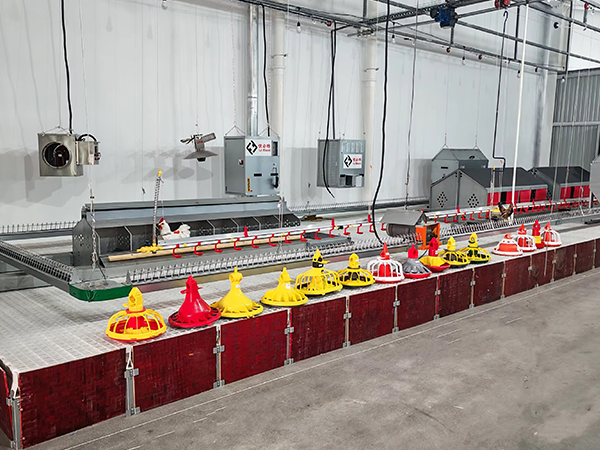
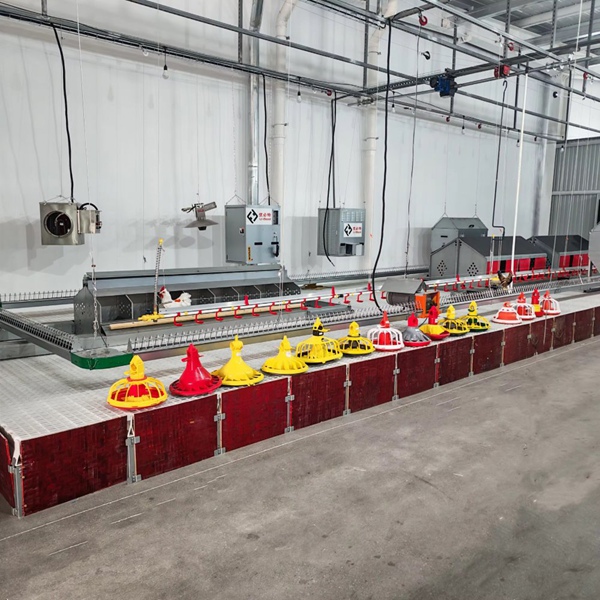
The Automatic Feeding Line for Large-Scale Farms is a complete automated feeding system designed for commercial poultry and livestock operations. In large-scale farming, efficient feed management is critical for productivity, animal health, and cost control. This automatic feeding line delivers feed uniformly and consistently to all animals, ensuring every bird or animal has access to fresh feed at all times. The system features a durable auger or chain conveyor mechanism that transports feed from the central storage silo to individual feeding pans throughout the house. Made of high-quality galvanized steel and food-grade plastic components, the system is corrosion-resistant, durable, and safe for animal contact. Automated operation reduces labor requirements significantly, allowing farm managers to focus on other critical tasks. Suitable for broiler houses, layer farms, duck farms, goose farms, and other large-scale poultry operations, as well as some livestock applications.
Product Features and Advantages
Fully automated feeding operation with programmable control, delivering feed at scheduled intervals to ensure consistent access and reduce feed waste. The auger or chain conveyor system transports feed smoothly and uniformly from the central silo to all feeding pans, eliminating manual feeding and reducing labor costs by up to 70% compared to manual feeding. High-quality galvanized steel construction with corrosion-resistant coating, designed to withstand the harsh farm environment including moisture, ammonia, and regular cleaning, ensuring long service life of 10+ years. Modular design allows for easy customization to fit any house layout and size, with feeding pans spaced optimally for the specific animal type and stocking density. Food-grade plastic feeding pans are safe for animal contact, easy to clean, and designed to minimize feed spillage and waste. The system can be integrated with existing farm automation including climate control, lighting, and watering systems for complete house automation. Suitable for broilers, layers, breeders, ducks, geese, turkeys, and other poultry, with adjustable feed flow rates for different growth stages. Low maintenance design with easily accessible components for inspection and cleaning, minimizing downtime and ensuring continuous operation.
Installation, Usage and Maintenance
Installation should be performed by qualified technicians following the manufacturer's guidelines. The feeding line is typically installed suspended from the ceiling or mounted on legs at the appropriate height for the target animal species. The central feed silo should be positioned outside the house for easy refilling, connected to the feeding line via a flexible boot. Before initial operation, thoroughly clean all components to remove manufacturing debris, and run the system empty to verify smooth operation of the conveyor mechanism. Set the feed delivery schedule based on the animal type, age, and feeding program, typically 3-5 times daily for poultry. Daily operation: check feed levels in the silo, verify the system runs smoothly during feeding cycles, inspect feeding pans for even feed distribution, and monitor animal feeding behavior. Weekly maintenance: clean feeding pans and troughs to remove stale feed and prevent mold growth, inspect conveyor chain or auger for wear, lubricate moving parts as specified, and check all connections for tightness. Monthly maintenance: inspect the drive motor and gearbox for proper operation, check electrical connections for safety, inspect suspension cables or support legs for stability, and perform a thorough system inspection. Annual maintenance: replace worn components such as conveyor chain links or auger flights, inspect and replace seals and gaskets, perform a complete system cleaning, and verify all safety features are functioning properly. Troubleshooting: if feed delivery is uneven, check for blockages in the conveyor, verify feed flow settings, and inspect feeding pan adjustment. If the system makes unusual noise, immediately stop operation and inspect for worn or damaged components. Always follow safety procedures when performing maintenance, including locking out power before working on the system.
 Recommended News
-
FAQ on Cross-Border Procurement of Livestock Equipment
2026-10-15 11:32:39
-
FAQ on Common Issues with Chick Brooding Watering Equipment
2026-10-15 11:29:59
-
FAQ on Selecting Aquaculture Equipment
2026-10-15 11:28:34
-
Causes and Solutions for Leaking Poultry Waterers
2026-10-15 11:27:03
-
Troubleshooting Common Faults in Water Line and Feed Line Systems of Farming Facilities
2026-10-15 11:25:44
Contact us
—— Contact:Manager
—— Tel:+86 15031740006
—— Email:mzan91369@gmail.com
—— Url:https://www.muzanlivestock.com
—— Address:Cang County, Cangzhou City, Hebei Province, China