
ProductsDetails
-
Rabbit Water Drinker
-
Farm Water Line and Feed Line
-
Farm Pressure Regulator
-
Pet Dog and Cat Water and Food Bowl
-
Poultry Pigeon Leg Bands
-
Poultry Automatic Drinking Bowl
-
Poultry Long Feeder Trough
-
Tail Docking Rings and Pliers
-
New Chicken Nipple Drinker
-
Cage Binding Pliers
-
Ear Tags
-
Ear Tag Pliers
-
Cross-Border Poultry Automatic Drinker
-
Cross-Border Auto Feeder and Waterer for Ducks Geese
-
Cross-Border Poultry Drinker and Feeder
-
Chick Bird Quail Drinking Bowl
-
Cattle Drinking Bowl
-
Poultry Transfer Crate
-
Poultry Bucket and Feeder
-
Chicken Automatic Drinker
-
Plasson Drinker
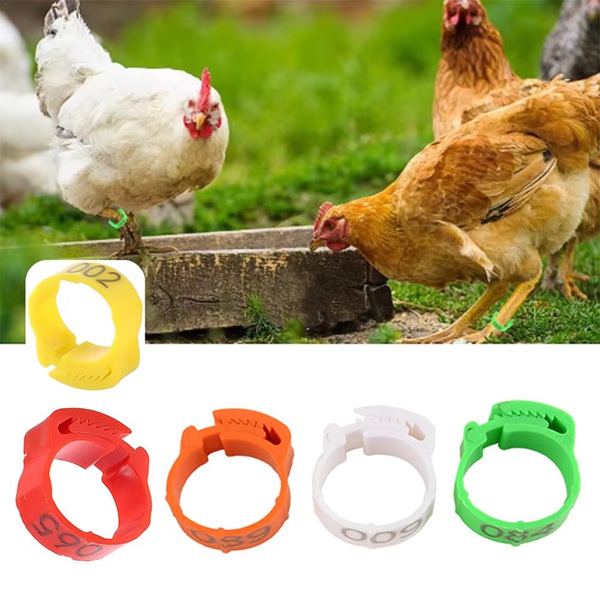
Poultry Leg Bands Green
Product Introduction
The Poultry Leg Bands Green are high-quality identification rings designed for chickens, ducks, geese, turkeys, and other poultry, used for individual bird identification, flock management, breeding program tracking, and record keeping. These green leg bands are made of durable, lightweight plastic material that is safe and comfortable for birds to wear, with smooth edges that prevent irritation or injury to the bird's legs. The distinctive green color provides excellent visibility and easy identification, making it simple to recognize birds from a particular flock, breed, hatch group, or management category at a glance. Green is a popular and practical color for poultry bands, commonly used to identify specific hatch years, flocks, treatment groups, or breeding lines, and provides excellent contrast against most common poultry plumage (including white, brown, black, and red birds). The bands are available in various sizes to fit different poultry species and leg diameters, from small chickens and bantams to larger ducks, geese, and turkeys. Easy to attach with a simple snap-on or clip-on design, these leg bands can be quickly applied to birds of any age without causing stress or discomfort. Each band can be customized with printed numbers, letters, or codes for individual bird identification (where applicable), making them an essential tool for commercial poultry farms, backyard flock owners, breeders, and poultry enthusiasts. These leg bands are weather-resistant, durable enough to withstand outdoor range conditions, and lightweight enough that birds barely notice they are wearing them, ensuring they do not interfere with walking, roosting, feeding, or normal behavior. Suitable for both commercial production flocks and small backyard flocks, these green poultry leg bands provide a practical, cost-effective identification solution for any poultry operation.
Product Features and Advantages
Distinctive green color provides excellent visibility and easy visual identification, allowing poultry farmers and backyard flock owners to quickly recognize birds from a particular flock, hatch group, breed, or management category at a distance, without needing to catch and read the band details. Made of durable, lightweight, food-safe plastic material that is non-toxic, non-irritating, and comfortable for birds to wear, with smooth, rounded edges that prevent chafing, irritation, or injury to the bird's legs, even during long-term wear on range or in confinement. Available in various sizes to fit different poultry species and leg diameters, from small chickens, bantams, and guinea fowl to larger ducks, geese, turkeys, and peafowl, ensuring a proper, comfortable fit that is neither too tight (restricting circulation) nor too loose (risk of slipping off or catching on objects). Easy to attach with a simple snap-on or clip-on design, allowing bands to be quickly applied to birds without specialized tools or experience, and minimizing stress to the bird during application, which is particularly important when processing large flocks. The lightweight design means birds barely notice the bands are there, ensuring they do not interfere with walking, running, roosting, perching, feeding, drinking, mating, or normal behavior, and allowing birds to move and behave naturally. Weather-resistant and durable construction withstands outdoor range conditions including rain, mud, sun, temperature fluctuations, and exposure to droppings and dust, with the green color remaining vibrant and the band maintaining its structural integrity for extended periods. Customizable identification (where applicable) allows each band to be printed with unique numbers, letters, or codes for individual bird tracking, record keeping, breeding management, and flock traceability, making these bands an essential management tool for commercial poultry operations and serious breeders. The green color provides excellent contrast against most common poultry plumage, making visual identification quick and easy even in a mixed flock or free-range setting. Non-toxic, safe materials ensure the health and well-being of your birds, with no risk of harmful leaching or skin irritation even with prolonged contact, and safe for birds that may peck at their bands. Cost-effective solution for flock identification and management, sold in bulk quantities at an affordable price, making it practical to band an entire commercial flock or backyard flock without significant expense. Each band is quality-tested at the factory to ensure proper dimensions, smooth edges, structural integrity, and consistent green color before shipment. Versatile usage suitable for commercial broiler and layer operations, breeding flocks, show birds, backyard flocks, free-range poultry, pasture-raised chickens, ducks, geese, turkeys, guineas, and other domestic poultry, making these leg bands a practical identification solution for a wide range of poultry keeping applications. The green color is also commonly used for organic or free-range identification programs, where specific band colors may be required for certification or marketing purposes.
Usage, Application and Flock Management
Choosing the Right Size: Before applying leg bands, select the correct size for your poultry species and age. Bands that are too tight can restrict blood circulation, cause injury, or become embedded in the leg as the bird grows; bands that are too loose can slip off, catch on objects, or cause injury. Measure the bird's leg diameter (at the thickest point, above the foot and below the hock joint) and select a band size that allows approximately 1-2 mm of clearance. For young birds that are still growing, choose a size that accommodates future growth to avoid re-banding. Application Process: Applying a leg band is a simple, quick process that should be done carefully to avoid injuring the bird. Restrain the bird gently but securely, using proper poultry handling technique to minimize stress and prevent injury to both the bird and the handler. Hold the bird with one hand, supporting its body and wings, and use your other hand to access the leg. Gently extend the bird's foot and toes, carefully folding the toes together to allow the band to slide over the foot. For chickens, ducks, and geese with larger feet, this may require gently pressing the toes together. Slide the band over the foot and toes, working it up the leg until it reaches the appropriate position (typically on the lower leg, above the foot and below the hock joint). Ensure the band rotates freely around the leg and is not too tight - you should be able to fit one finger between the band and the bird's leg. Release the bird and observe briefly to ensure it is comfortable and walking normally. For snap-on/clip-on style bands: Open the band by gently separating the two ends, position it around the bird's leg at the desired location, and press the two ends together until they click or snap securely into place. Verify the band is closed securely and rotates freely. Application Tips: Apply bands to young birds at the appropriate age (typically 1-2 weeks old for chickens, depending on breed and growth rate) for proper fit, as adult birds may have larger, harder-to-band feet and legs. For best results, apply bands during calm weather and when the birds are not stressed by other procedures (such as vaccination, debeaking, or transfers), to minimize combined stress. Clean and disinfect your hands before and after handling birds and bands, to prevent the spread of disease between flocks or between birds. When banding large commercial flocks, establish an assembly line with one person restraining birds, one person applying bands, and one person recording band numbers, to maximize efficiency and minimize bird stress. Color-Coding Applications for Poultry: Green bands can be used for many flock management purposes: Hatch Year Identification: Assign green bands to a specific hatch year or batch, allowing you to instantly determine the age of any bird in a mixed-age flock. Flock/House Identification: Use green bands for birds from a specific house, range area, or flock, making it easy to identify where a bird belongs if it wanders or during flock moves. Treatment Group Identification: Use green bands to identify birds that have received specific vaccinations, medications, or are part of management groups, ensuring proper tracking and treatment. Breed/Variety Identification: Use green bands to identify a specific breed, variety, or strain within a mixed flock. Free-Range/Organic Identification: Green bands are commonly used to identify free-range, organic, or pasture-raised birds for marketing and certification purposes. Record Keeping: Once bands are applied, maintain accurate records for each bird or flock group, including: band numbers, band color (green), bird species, breed, hatch date, house/flock location, vaccination/treatment history, and any other relevant information. For commercial operations, this record-keeping is essential for flock traceability, food safety, regulatory compliance, and flock performance analysis. Daily Observation: During routine flock inspection, observe your birds as they walk, roost, and forage. Use the green bands to quickly identify the correct flock or group, and check for any signs of swelling, redness, or injury around the band area. Periodically verify that bands are still securely in place and have not been lost, slipped off, or damaged by foraging or scratching. Weekly Inspection: During weekly flock health checks, catch and inspect a sample of banded birds to verify: bands are properly positioned and rotating freely; no signs of irritation, swelling, or injury around the leg; bands are not cracked, broken, or excessively worn from ground scratching or foraging; and all bands remain securely attached. Replace any damaged or lost bands promptly to maintain identification records. Monthly Maintenance: Inspect all leg bands in the flock for overall condition, replacing any that show significant cracking, fading, brittleness, or structural damage. Check that the green color remains vibrant and legible, replacing faded bands where color coding is important. For growing birds, re-band with larger sizes as needed. Sanitize bands periodically (on the birds, using a gentle poultry-safe disinfectant wipe) to remove dirt, mud, droppings, and bacteria. Long-term Care: Monitor bands throughout the bird's life for fit and condition. For commercial meat birds, bands are typically removed at processing. For layer flocks and breeding stock, bands may remain for the bird's productive life. Keep spare bands in the appropriate sizes and green color for replacements. Store spare bands in a cool, dry place away from direct sunlight. Troubleshooting: If a band is too tight (bird's leg is swollen, red, or the band is embedded), remove the band immediately using a small band cutter or pliers (being careful not to injure the bird's leg), and consult a veterinarian if there is significant swelling or infection. If a band is too loose, replace with a smaller size. If a band becomes cracked or broken from ground scratching or foraging, replace as soon as possible. If birds are picking or chewing at their bands, check for irritation or improper fit, and consider a different band style or material. If bands become discolored or stained from mud or droppings, clean gently with mild soap and warm water, or replace if staining affects identification clarity. If you find birds with unexpected green bands that shouldn't be in your flock, check for escaped birds from neighboring flocks and verify your records.
 Recommended News
-
FAQ on Cross-Border Procurement of Livestock Equipment
2026-10-15 11:32:39
-
FAQ on Common Issues with Chick Brooding Watering Equipment
2026-10-15 11:29:59
-
FAQ on Selecting Aquaculture Equipment
2026-10-15 11:28:34
-
Causes and Solutions for Leaking Poultry Waterers
2026-10-15 11:27:03
-
Troubleshooting Common Faults in Water Line and Feed Line Systems of Farming Facilities
2026-10-15 11:25:44
Contact us
—— Contact:Manager
—— Tel:+86 15031740006
—— Email:mzan91369@gmail.com
—— Url:https://www.muzanlivestock.com
—— Address:Cang County, Cangzhou City, Hebei Province, China